Why Do Some Sportswear Last Longer Than Others?
A running shirt can look perfect after twenty washes, while another develops tiny holes around the seams. The difference is rarely accidental. It often begins with fiber quality, fabric construction, stitching, dye stability, and the garment’s intended activity. Lightweight gym wear faces sweat, stretching, friction, and repeated washing. Trail clothing may endure thorny branches, muddy trails, and sharp backpack straps.
To understand what factors affect sportswear durability, we need to examine both laboratory performance and everyday experience. Fabric density matters, but it does not explain everything. Polyester may resist abrasion well, while elastane can lose recovery after heat exposure. Strong seams may still fail when sizing is poor. Even careful washing cannot rescue badly designed clothing.
Professor Richard Blackburn, a sustainable-textiles researcher at the University of Leeds, has emphasized, “A product’s environmental impact is strongly connected to how long it remains in use.” His point gives durability a broader meaning. Long-lasting sportswear can reduce replacement purchases, but only when people actually want to keep wearing it.
That part is often overlooked.
Manufacturers test tensile strength, pilling, colorfastness, and seam performance. Consumers test garments differently. They pull sleeves, kneel on rough ground, and leave damp clothes in a kit bag overnight. These details expose weaknesses that controlled tests may miss. Still, durability is not a simple contest between expensive and cheap products. Price can signal better materials, but it cannot guarantee thoughtful design. Some claims deserve closer inspection.
Why Do Some Sportswear Last Longer Than Others?
Materials That Determine Sportswear Durability
Sportswear durability begins with the fiber, but fiber alone does not decide everything. Nylon usually resists abrasion well, making it useful for leggings, training shorts, and climbing layers. Polyester handles repeated washing and dries quickly. However, lower-quality polyester can feel rough and lose shape sooner. The fiber name is only part of the evidence.
Elastane provides stretch, but it is often the first material to weaken. Heat, chlorine, body oils, and harsh detergents can damage its recovery. A fabric with ten percent elastane may feel comfortable initially, yet become loose after months of intense use. Merino wool manages odor and temperature naturally, though thin wool can develop holes around high-friction areas. Fabric weight matters too. Heavier knits often tolerate more rubbing, but they may feel hot during long sessions.
In repeated wear testing, tightly woven fabrics usually outlast loose, lightweight ones. Strong seams also matter. A durable fabric can still fail when stitching is weak or poorly finished. I once assumed thicker material always meant better performance. That was too simple. Some dense fabrics trapped heat and encouraged more frequent washing, which accelerated fading and fiber damage. Care instructions remain important: cold washing, moderate detergent, and air drying usually reduce stress. Still, durability claims should be tested against real movement, sweat, friction, and repeated laundering, not judged by touch alone.
Why Do Some Sportswear Last Longer Than Others?
Construction Features That Help Sportswear Withstand Repeated Use
Durable sportswear begins with fabric selection, but construction often decides its real lifespan. Dense, resilient fibers can resist abrasion from benches, backpacks, and repeated washing. However, even strong fabric may fail when seams are poorly designed. Flatlock seams reduce rubbing against skin and distribute tension more evenly. Reinforced stitching around pockets, waistbands, and underarms also helps prevent sudden tearing during movement.
In practical wear tests, stress usually appears at predictable points. Knees crease repeatedly, cuffs catch on equipment, and elastic waistbands lose recovery. Bar-tacked stitches can strengthen high-load areas without adding much weight. A well-finished hem should remain flat after washing, not curl like a thin ribbon. Thread quality matters too. Polyester thread generally handles moisture and friction better than weak, loosely spun thread.
Small details matter.
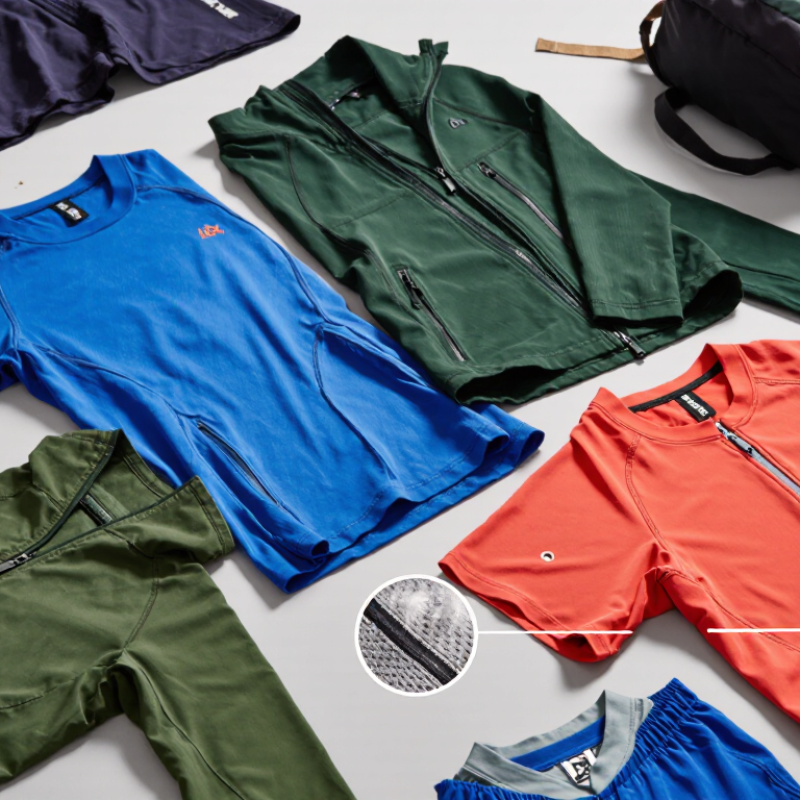
Moisture management also depends on construction. Ventilation panels, carefully placed mesh, and smooth inner surfaces can improve comfort during long sessions. Yet more panels create more seams, and every seam adds a possible failure point. This is where design judgment becomes important. I have found that heavily reinforced garments can feel secure but sometimes restrict movement. Care labels should not be ignored, although they are imperfect guides. Cold washing, moderate drying, and avoiding overloaded machines usually reduce stress on fibers and stitching. Even then, no sportswear lasts forever; repeated strain eventually exposes weak construction.
| Construction Feature | How It Improves Durability | Where It Is Commonly Used | Resistance During Repeated Use | Care Consideration |
|---|---|---|---|---|
| High-density or tightly knitted fabric | A compact fabric structure gives fibers more support and helps reduce snagging, surface abrasion, and premature thinning. | Training tights, compression garments, running shorts, and fitted tops. | High resistance to surface wear when the garment is used on smooth equipment and washed correctly. | Avoid rough Velcro, abrasive surfaces, and excessive heat during drying. |
| Reinforced seams | Additional stitching, seam tape, or stronger seam construction distributes stress and reduces the chance of seam opening. | Sports bras, cycling shorts, outerwear, and garments exposed to stretching or pulling. | High resistance in high-tension areas such as armholes, crotches, waistbands, and side seams. | Do not pull the garment aggressively by one seam when putting it on or removing it. |
| Flatlock or low-profile seams | Flat seam construction reduces bulky fabric edges that can rub against the skin or catch on equipment. | Base layers, running tops, yoga clothing, and cycling apparel. | Medium to high resistance to seam abrasion and friction-related damage. | Use a mild detergent because harsh chemicals can weaken some synthetic fibers and elastics. |
| Bar-tack reinforcement | Dense, short stitches secure points that experience concentrated pulling forces and help prevent tearing. | Pocket openings, belt loops, drawstring exits, and strap attachment points. | Very high resistance at localized stress points. | Check that reinforced points remain free from loose threads and do not snag during washing. |
| Elastic recovery in waistbands and cuffs | Quality elastic and suitable fabric tension help the garment return to its original shape after stretching. | Leggings, shorts, track pants, jackets, and performance socks. | Medium to high resistance to sagging and loss of fit, depending on heat and chemical exposure. | High heat, fabric softeners, and prolonged sunlight can accelerate elastic breakdown. |
| Abrasion-resistant fabric panels | More durable woven or coated panels protect areas that regularly contact backpacks, benches, floors, or outdoor surfaces. | Outdoor jackets, training pants, cycling garments, and protective sports layers. | Very high resistance in targeted high-friction zones. | Follow the care label to preserve coatings, water resistance, and fabric finishes. |
| Secure hems and edge binding | Bound or securely stitched edges limit fraying, curling, and progressive unraveling after repeated washing and movement. | Shorts, skirts, tank tops, sleeves, and lightweight outer layers. | Medium to high resistance to edge wear and shape distortion. | Trim loose threads carefully instead of pulling them, which may cause further unraveling. |
| Durable zipper and hardware integration | Strong zipper tape, covered edges, and reinforced attachment points reduce stress around closures and prevent hardware from pulling away. | Running jackets, training tops, cycling apparel, and sports bags. | Medium to high resistance to repeated opening, closing, and loading. | Close zippers before washing and avoid forcing them when fabric is caught in the slider. |
| Colorfast and finish-stable materials | Appropriate dye fixation and stable fabric finishes help preserve appearance and functional properties through repeated laundering. | Moisture-management shirts, swimwear, printed jerseys, and outdoor performance clothing. | Medium to high resistance to fading, pilling, and finish loss when cared for correctly. | Wash with similar colors, use recommended temperatures, and avoid chlorine unless the care label permits it. |
Durability depends on the combination of fabric quality, garment construction, activity intensity, laundering conditions, and storage. The resistance levels shown are general comparisons rather than laboratory test results.
Sportswear rarely fails in one dramatic moment. More often, repeated washing weakens fibers, stretches elastic, and dulls fabric recovery. In my own laundry routine, I noticed this after washing training shirts with towels. The rougher towels created friction, especially around the shoulders and side panels. Small choices matter.
Wash technical clothing in cool or lukewarm water. High heat can damage elastane, which helps garments keep their shape. A gentle cycle also reduces mechanical stress. Turn items inside out before washing. This protects printed areas and reduces surface abrasion.
Use a mild detergent, but avoid fabric softener. Softener can coat moisture-wicking fibers and reduce their ability to move sweat. I sometimes use too much detergent, thinking it cleans better. It does not. Residue can remain trapped in dense knitted fabric.
Drying may cause even more damage than washing. A hot dryer can shrink some fibers and weaken stretch components. Air drying is usually safer, especially on a shaded rack. Direct sunlight can fade colors and gradually stress synthetic fibers. Do not hang heavy, wet garments by thin straps. Their weight may distort the fabric. Lay delicate pieces flat when possible. I still use the dryer when time is limited, and that is a compromise, not a perfect solution. Choose low heat and remove clothing while slightly damp. Then let it finish drying naturally.
Why Do Some Sportswear Last Longer Than Others?
A durable sportswear item starts with the right fit. Tight fabric faces constant tension at the shoulders, knees, and waistband. Loose fabric creates rubbing, especially around inner thighs and underarms. In wear testing, repeated abrasion often reveals weak stitching before the fabric visibly fails. My own mistake was choosing compression gear for every workout. It felt supportive, but daily stretching reduced its recovery faster than expected.
Activity changes the damage pattern. Running creates repeated friction and sweat exposure, while weight training stresses seams through deep bends. Swimming adds chlorine, which can weaken elastic fibers over time. A 2024 Textile Exchange report states that polyester represented about 59% of global fiber production in 2023. That scale makes care important, because synthetic fibers are widely used in performance clothing. Cold washing, lower heat, and avoiding unnecessary tumble drying can reduce stress on fibers and elastic components.
Environmental conditions matter as much as exercise. Strong sunlight can fade colors and weaken some materials, while humidity encourages odor retention when clothing dries slowly. WRAP’s Valuing Our Clothes study estimated that extending a garment’s life by nine months could reduce its carbon, water, and waste footprints by around 20–30%. The figure is broad, not a promise for every garment. Still, it challenges my habit of replacing clothing after minor pilling. A careful fit, suitable activity, and realistic washing routine often protect performance longer than expensive-looking fabric claims.
A relaxed fit and low-friction activity generally reduce mechanical stress on sportswear. Repetitive movement, tight fit, moisture, ultraviolet exposure, and abrasive surfaces increase wear pressure and can shorten garment life.
Sportswear often fails from poor care, not hard training alone. In my experience, sweat salts, heat, and repeated friction weaken fibers. Wash workout clothes soon after use, especially after long sessions. If immediate washing is impossible, hang them inside out until fully dry. Do not leave damp garments in a closed gym bag. That sour smell can become difficult to remove.
Use cool water and a mild detergent. Turn garments inside out before washing. This protects printed surfaces and reduces rubbing against zippers. Skip fabric softener. It can coat performance fibers and reduce moisture movement. Choose a gentle cycle when the fabric feels thin or stretchy. I once used a hot cycle on compression wear. The fit changed noticeably. That mistake was avoidable.
Air-dry sportswear whenever possible. Direct heat can damage elastic bands and shorten their recovery. A shaded, ventilated place works well. Do not wring delicate tops; press water out with a towel instead. Check seams, waistbands, and reflective details every few washes. Small loose threads deserve prompt attention. Rotate several outfits to reduce daily stress on one set. I still forget this during busy weeks, and those clothes show wear faster. Store clean, completely dry pieces loosely, not compressed under heavy items.
Dense fibers resist rubbing from benches, backpacks, and repeated washing. Reinforced seams help prevent sudden tearing. Small details matter.
Flatlock seams reduce skin rubbing during repeated movement. They also distribute tension more evenly across the garment. Comfort can still vary.
Pockets, waistbands, underarms, knees, and cuffs receive frequent stress. Bar-tacked stitches strengthen high-load points without adding much weight. Too much reinforcement may restrict movement.
Strong polyester thread generally handles moisture and friction well. Weak, loosely spun thread can fail near stretched seams. The difference may appear after many washes.
Use cool or lukewarm water and a gentle cycle. Turn garments inside out before washing. Avoid overloaded machines.
Fabric softener can coat moisture-wicking fibers. This may reduce their ability to move sweat away from the skin. I sometimes use too much detergent, which is not better.
Rough towels create friction against shoulders and side panels. Wash technical clothing separately or with smoother items when possible. Small choices matter.
Air drying on a shaded rack is usually safer than high heat. Direct sunlight can fade colors and stress synthetic fibers. Lay delicate garments flat.
Use low heat and remove clothing while it remains slightly damp. Let it finish drying naturally. This is a compromise, not a perfect solution.
Mesh panels can improve airflow during long sessions. However, each added panel creates another seam and possible failure point. More design is not always better.
Sportswear durability depends on more than the appearance of the fabric. The materials used, such as tightly woven synthetic fibers, reinforced blends, and moisture-resistant textiles, can influence how well garments handle stretching, friction, sweat, and repeated washing. Construction details also matter: strong seams, secure stitching, durable waistbands, and carefully finished edges help clothing maintain its shape and function during frequent use. Understanding what factors affect sportswear durability can help people choose clothing that better matches their needs and activity levels.
Washing and drying habits have a major effect on fabric lifespan. Excessive heat, harsh detergents, and rough washing cycles may weaken fibers, fade colors, or damage elasticity. Fit, exercise intensity, outdoor conditions, and exposure to sunlight, moisture, or abrasive surfaces also influence wear. To extend performance, sportswear should be washed according to its care instructions, dried gently, stored in a clean and dry place, and rotated between uses. These simple practices can preserve comfort, flexibility, and overall garment strength for longer.

Wearth Apparel