China Top Sportswear Manufacturers Why Breathability Matters?

Time:2026-09-06 Author:Henry
0%

When athletes train under a hot sun, sweat can quickly turn a shirt into a heavy, sticky layer. This is why breathability deserves serious attention from sportswear designers, buyers, and manufacturers. The question “why is fabric breathability important in sportswear” has a practical answer: breathable materials help move moisture away from the skin, release body heat, and improve comfort during movement.

Experienced China sportswear manufacturers usually assess breathability through fabric structure, fiber selection, mesh placement, and finishing technology. Polyester, nylon, and blended fabrics can perform well when engineered with suitable yarns and open constructions. However, fiber content alone proves little. A dense polyester fabric may feel less comfortable than a carefully knitted blend. Testing should include air permeability, moisture management, drying speed, colorfastness, and durability after washing.

Small details matter.

A reliable supplier should connect laboratory results with real product use. A running shirt needs different airflow from a compression base layer or cycling jersey. Factory teams can compare fabric samples, inspect knitting consistency, and conduct wear trials in warm conditions. These steps support more dependable decisions than relying on marketing claims. Still, breathability is not a perfect solution. Excessive airflow may reduce warmth, while some quick-drying finishes can lose performance over time. This is where specifications become less certain. Buyers should review test methods, production records, and sample performance before placing large orders. Good sportswear balances ventilation, stretch, protection, appearance, and long-term comfort.
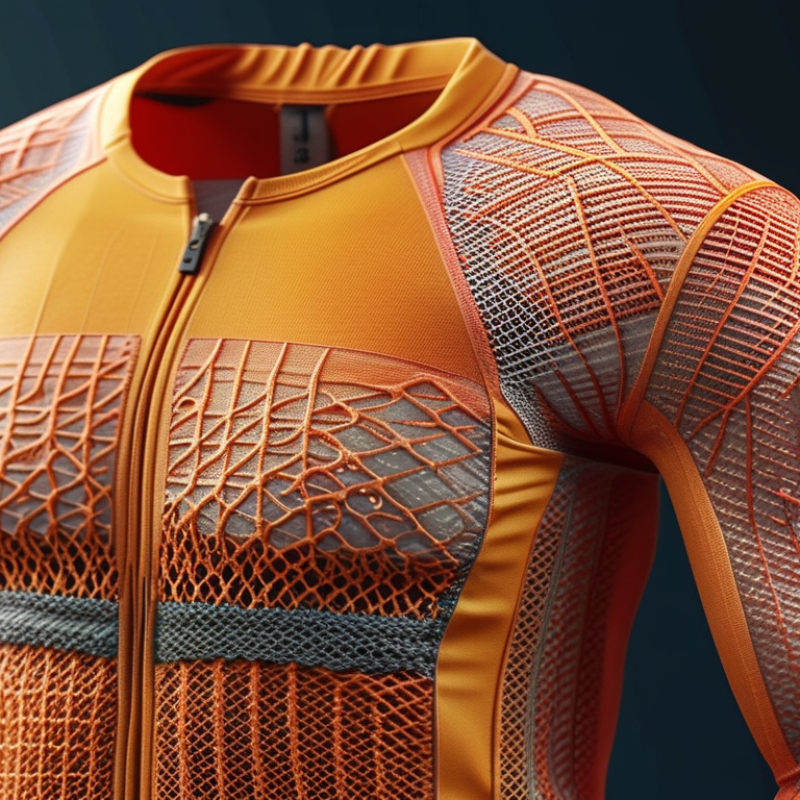
China Top Sportswear Manufacturers Why Breathability Matters?

Breathability Defined: RET Below 6 m²·Pa/W Indicates Excellent Vapor Transfer

For China’s top sportswear manufacturers, breathability begins with measurable vapor transfer. RET, or evaporative resistance of a textile, is reported in m²·Pa/W. A lower value means sweat vapor meets less resistance. Under Hohenstein’s published classification, RET below 6 indicates excellent breathability. Values from 6 to 13 are generally considered very good.

ISO 11092:2014 specifies the sweating guarded-hotplate method used to measure this performance. During testing, a fabric sample covers a heated, sweating plate. The instrument records how much energy vapor movement requires. This method offers stronger evidence than simply calling a jacket “quick-drying.” A fabric tested at RET 5.2 may feel comfortable during a brisk run. Its pores can help move warm vapor away from the skin.

However, RET is not the whole wearing experience. A coating, seam tape, or tightly packed lining can restrict airflow in real conditions. Washing residues may also change performance. Field research should therefore combine laboratory RET results with moisture management and wearer trials. The European Committee for Standardization identifies EN 31092 as the European adoption of ISO 11092, supporting comparable testing across production facilities. Manufacturers should publish the test method, fabric condition, and measured value. Otherwise, the number lacks context. A low RET is useful, but not magic.

China Top Sportswear Manufacturers Why Breathability Matters? - Breathability Defined: RET Below 6 m²·Pa/W Indicates Excellent Vapor Transfer

RET Value Breathability Level Vapor-Transfer Performance Typical Sportswear Use Key Product Considerations
Below 6 m²·Pa/W Excellent Very low resistance to water-vapor transfer; supports rapid moisture release under demanding activity. High-intensity running, cycling, training, and performance base layers. Requires careful control of fabric construction, membrane structure, seam design, and finishing treatments.
6–13 m²·Pa/W Very good Low vapor-transfer resistance and effective moisture management for active wear. Training tops, outdoor exercise apparel, and lightweight soft shells. A balanced target when breathability, durability, weather protection, and cost must be combined.
13–20 m²·Pa/W Good Moderate resistance to vapor transfer; generally suitable for regular activity and mild conditions. Lifestyle sportswear, warm-up garments, and moderate-intensity activities. Comfort can depend strongly on ambient temperature, garment fit, layering, and physical exertion.
20–30 m²·Pa/W Satisfactory Higher resistance to vapor transfer; moisture may accumulate more quickly during intense exercise. Light protective garments and lower-intensity outdoor use. Water resistance, insulation, or dense construction may reduce vapor permeability.
Above 30 m²·Pa/W Limited High resistance to water-vapor transfer; less suitable for high-output sports unless ventilation is added. Low-activity apparel, heavy protective layers, or products prioritizing insulation. Consider ventilation openings, mesh panels, looser fits, and moisture-management layers.
Measurement note: RET means evaporative resistance of a textile system and is expressed in m²·Pa/W. It is measured under controlled laboratory conditions according to ISO 11092 or an equivalent sweating guarded-hotplate method. Lower RET values indicate easier water-vapor transfer; RET should not be treated as a direct conversion of MVTR or a universal field-comfort score.

Sweat and Heat Loads: Athletes May Lose 0.5–2.0 L of Fluid per Hour

China Top Sportswear Manufacturers: Why Breathability Matters?

During hard training, athletes may lose 0.5–2.0 L of fluid per hour. Heat, pace, humidity, body size, and acclimatization change the number. When sweat stays against the skin, evaporation slows, and the garment feels heavy. That discomfort can distract an athlete before performance drops.

In practical sportswear testing, breathable construction helps move vapor and spread moisture across a larger surface. Mesh zones, open-knit structures, and lightweight yarns can improve airflow. However, breathability does not replace drinking, shade, or proper pacing. Fabric claims need testing under realistic heat and movement, not only on a laboratory hanger. Small details matter. Seams, tight armholes, and a saturated waistband may block airflow. Manufacturers should compare drying time, air permeability, and comfort after repeated washing. Results can change with body shape and climate, so one sample cannot represent every athlete. That limitation deserves attention.

Tips: Choose a close but nonrestrictive fit. Pair breathable layers with planned fluid breaks. Weighing before and after training can reveal personal sweat loss, but it remains an estimate. Replace fluids thoughtfully during long or intense sessions.

Fabric Testing Standards: ISO 11092, ASTM D737, and AATCC 195 Metrics

China Top Sportswear Manufacturers: Why Breathability Matters?

Breathability affects comfort during running, training, and long workdays. Professional fabric testing makes this performance measurable. ISO 11092 evaluates thermal resistance and water-vapour resistance using a sweating guarded hotplate. Lower water-vapour resistance usually indicates easier moisture transfer. ASTM D737 measures air permeability, commonly reported in cubic feet per minute. Higher airflow can feel cooler, but it does not guarantee effective sweat management.

AATCC 195 examines liquid moisture movement across fabric. Its metrics include wetting time, absorption rate, spreading speed, one-way transport, and overall moisture management capability. These numbers show how quickly sweat spreads and moves away from skin. However, no single test describes every real workout. A fabric may show strong air permeability yet feel clammy when saturated. That gap deserves attention.

Tips: Ask manufacturers for test conditions, fabric weight, composition, and sample preparation details. Compare results after repeated washing, not only before use. Check whether testing used one fabric layer or a finished garment. Small differences in knit structure can change results. During supplier evaluations, request recent laboratory reports and inspect physical samples in warm, humid conditions. Testing is evidence, not a perfect promise.

China’s Production Strength: MVTR Targets Above 10,000 g/m²/24h

China’s sportswear production strength is increasingly measured by controlled moisture management, not fabric appearance alone. An MVTR above 10,000 g/m²/24h indicates meaningful vapor transfer under defined laboratory conditions. It can help runners feel drier during steady training. However, the number needs context.

Experienced manufacturers test fabric rolls, laminated panels, and finished garments separately. They check temperature, humidity, airflow, and test duration before comparing results. A lightweight knit may exceed 10,000 easily, while a coated shell may require careful membrane design. Stitch density, seam tape, lining, and pocket construction can reduce practical airflow. Small details matter.

Production teams also monitor washing, stretching, and repeated abrasion. A fabric can perform well when new, then lose comfort after several uses. That weakness deserves honest discussion. Test reports should identify the method, sample condition, and garment layer. Otherwise, two impressive numbers may describe different realities. In development rooms, technicians may place fabric against a heated, sweating plate and inspect moisture movement. The process is useful, but human comfort remains more complicated. Fit, activity level, weather, and body heat change the result. A target above 10,000 is valuable, not magical.

China Top Sportswear Manufacturers: Why Breathability Matters?

China’s large-scale textile production supports the development of breathable sportswear fabrics, with high-performance material targets commonly exceeding 10,000 g/m²/24h MVTR.

MVTR refers to Moisture Vapor Transmission Rate, measured in grams of water vapor transferred through one square meter of fabric in 24 hours. Actual results vary according to fabric construction, coating or membrane technology, and test method such as ASTM E96 or JIS L 1099.

Supplier Evaluation: Compare Air Permeability, RET, Wash Durability, and Compliance

China Top Sportswear Manufacturers: Why Breathability Matters?

When evaluating sportswear suppliers, breathability needs measurable evidence, not soft marketing language. Air permeability shows how easily air passes through fabric. Request test results in L/m²/s under consistent conditions. Higher values often support better ventilation, but a very open fabric may reduce wind protection. Construction, coatings, and seam placement also influence comfort during movement.

RET measures resistance to evaporative heat loss. Lower RET usually means easier moisture vapor transfer and improved cooling. Compare RET results from the same laboratory method, preferably ISO 11092. Do not compare random reports. A supplier may present excellent fabric data, while the finished jacket performs poorly because of prints or laminates. This is where evaluations can become imperfect.

Wash durability deserves equal attention. Ask for before-and-after air permeability and RET results after repeated laundering, such as ISO 6330 procedures. Check shrinkage, pilling, seam damage, and peeling prints. A breathable shirt that clogs after ten washes is not a reliable product. Compliance records should include material traceability, laboratory accreditation, chemical safety testing, and clear production-batch controls. Verify documents directly and inspect the factory process when possible. Paperwork alone can hide weak testing.

FAQS

: What does RET measure in sportswear?

: RET measures resistance to water-vapor movement through fabric. Lower values usually support easier sweat-vapor transfer. An RET below 6 m²·Pa/W indicates excellent breathability. Values from 6 to 13 are generally very good.

How is RET tested?

A heated, sweating plate simulates warm skin. Fabric covers the plate during testing. The instrument records the energy required for vapor movement. ISO 11092:2014 defines this method.

Does a low RET guarantee comfort during exercise?

No. A low RET is helpful, but it is not magic. Seam tape, coatings, tight linings, and printed layers can restrict airflow. Fit, weather, and exercise intensity also change comfort.

What does an MVTR above 10,000 g/m²/24h indicate?

It indicates meaningful vapor transfer under defined laboratory conditions. Runners may feel drier during steady training. The result needs testing details. A fabric may perform differently after lamination or garment assembly.

Why should suppliers test finished garments?

Fabric performance can change after stitching, coating, lining, or pocket construction. A fabric roll may breathe well, while the finished jacket performs poorly. That comparison can be uncomfortable, but it matters.

What does air permeability reveal?

Air permeability shows how easily air passes through fabric. Results are commonly reported in L/m²/s. Higher values may improve ventilation. Very open fabrics can reduce wind protection.

How can wash durability affect breathability?

Washing may change air permeability and RET. Residues, shrinkage, pilling, and damaged seams can reduce comfort. Request before-and-after results after repeated laundering. Ten washes can reveal weaknesses.

What information should a supplier provide with test results?

Request the test method, laboratory details, fabric condition, measured value, and garment layer. Also check traceability, chemical safety records, and production-batch controls. Paperwork alone may hide weak testing.

Conclusion

Fabric breathability is a critical factor in sportswear because it helps move heat and moisture away from the skin during intense activity. When athletes lose approximately 0.5–2.0 liters of fluid per hour, effective vapor transfer can improve comfort, reduce clamminess, and support consistent performance. This is why is fabric breathability important in sportswear: well-designed materials help balance temperature, sweat management, and freedom of movement. A fabric with a RET value below 6 m²·Pa/W generally indicates excellent breathability, while an MVTR above 10,000 g/m²/24h is a useful production target for moisture transport.

When evaluating manufacturers, buyers should review air permeability, RET, MVTR, wash durability, and regulatory compliance together rather than relying on one figure. ISO 11092, ASTM D737, and AATCC 195 provide useful methods for assessing thermal resistance, air permeability, and liquid moisture management. Consistent testing and quality control help ensure that breathable performance remains reliable throughout the garment’s usable life.

Henry

Henry

Henry is a dedicated marketing professional with a profound expertise in the company's offerings. With years of experience in the industry, he possesses an impressive understanding of the market dynamics and consumer behaviors that drive success. Henry is committed to sharing his insights through......