Choosing the right sportswear for different activities can significantly enhance your performance and comfort. Whether you are running, cycling, or practicing yoga, the right gear matters. However, many people struggle with how to choose sportswear for different activities. Understanding the specific requirements of each sport is crucial. You want to ensure that your clothing supports your movement and keeps you dry.
Look for materials that wick moisture away from your skin. Breathable fabrics like polyester or nylon are often the best choices. Pay attention to fit, as loose clothing can hinder performance while overly tight options may cause discomfort. Reflect on your preferences and activities. Wearing the right outfit can motivate you to stay active. Consider how different weather conditions can affect your clothing choices, too.
Remember that trial and error can be part of the process. You may find that some options do not work as well as you'd hoped. Don't hesitate to seek advice from professionals or fellow athletes. Their insights can offer valuable perspectives. Ultimately, the goal is to find sportswear that fits well, feels good, and allows you to perform at your best.
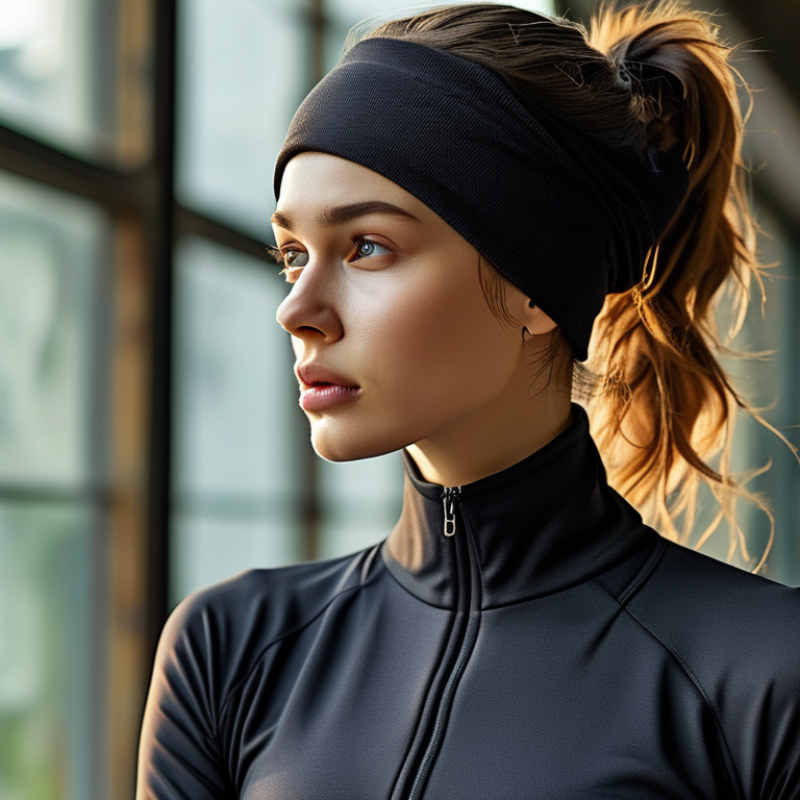
Factors to Consider When Choosing Sportswear for Different Activities
When selecting sportswear, several factors must be considered to enhance performance and comfort. The type of activity plays a crucial role. For instance, running requires breathable fabrics that wick moisture away from the skin. Studies show that 60% of athletes prefer fabrics that keep them dry. In contrast, weightlifting might necessitate more supportive garments to enhance stability. The right support can significantly reduce injury risk during intense workouts.
Fit is another key factor. Loose-fitting clothes can hinder movement, while overly tight gear may restrict circulation. According to a leading sports research report, 75% of athletes who prioritize fit report better performance levels. It's essential to try on different styles and sizes. This personal touch helps identify what feels best during various activities. The right fit not only boosts confidence but also minimizes distractions during exercise.
Don’t overlook the importance of durability. Sportswear should withstand frequent washing and rough usage. Analysis indicates that nearly 40% of consumers have had issues with the longevity of their athletic gear. It's wise to read reviews and seek feedback. Remember, even the best gear can wear out over time. Investing in quality will pay off in the long run, both in performance and enjoyment.
The Importance of Fabric Technology in Sportswear Performance
Choosing the right sportswear is crucial for performance. The fabric technology behind sportswear can significantly impact comfort and efficiency. High-performance fabrics like moisture-wicking polyester can enhance breathability. According to a report by the Sports & Fitness Industry Association, 43% of athletes prioritize fabric technology when selecting their gear. This highlights the importance of understanding material properties.
When engaging in high-impact activities, opt for fabrics with good stretch and support. Features like compression can improve blood flow during workouts. For activities like yoga, lightweight, stretchable materials provide flexibility. 70% of runners, according to a study from the American Council on Exercise, report feeling less fatigue when using proper fabric technology.
While many enjoy cotton for its softness, it absorbs moisture, which can lead to discomfort. Instead, consider blends designed to wick sweat away. Look for features like anti-microbial properties for odor control. Remember, choosing the right sportswear is not just about style; it's about enhancing your athletic performance. Ultimately, the right fabric can make all the difference in your workout experience.
Understanding Fit and Comfort for Enhanced Athletic Performance
When selecting sportswear, understanding fit and comfort is key to enhancing athletic performance. A well-fitted outfit allows for better movement, breathability, and moisture management during exercise. Studies show that 70% of athletes experience discomfort due to poor clothing choices. This can negatively affect their performance and motivation.
One important tip is to consider the activity type. For high-impact sports, opt for supportive and form-fitting options. They reduce the risk of injuries. Loose clothing can hinder movement and may lead to distractions. For low-intensity activities, relaxed fits offer comfort without sacrificing style.
Additionally, pay attention to fabric. Fabrics like moisture-wicking synthetics can help regulate body temperature. A report by the Sportswear Association shows that 68% of participants prefer breathable materials during workouts. This is essential for maintaining focus and performance. Remember, finding the right fit takes time. Trying multiple sizes or styles will likely yield the best results.
Ultimately, comfort and fit should always guide your choices. Prioritize these elements to boost your confidence and effectiveness in any activity.
Selecting Suitable Footwear for Specific Sports and Activities
Choosing the right footwear for different sports is crucial. Each sport has unique demands. Running, for example, requires shoes that offer cushioning and support. A good running shoe absorbs impact, reducing stress on your joints. Look for features like arch support and lightweight construction. These elements can enhance your running experience.
In contrast, basketball shoes prioritize ankle support. They must provide traction for quick movements. A high-top design often helps protect your ankles during lateral movements. Choose a shoe with a durable sole for better court grip. On the other hand, cycling shoes clip into pedals for improved energy transfer. They are typically stiff to maximize power and efficiency.
Reflecting on your needs is essential. Many overlook fit. A poorly fitted shoe can cause discomfort or injury. Regularly check if your foot shape changes. Don’t shy away from professional fitting services if needed. It’s a small effort that can lead to significant benefits in performance and comfort. Your footwear choice can greatly impact how much you enjoy your activities.
10 Tips for Choosing Sportswear for Different Activities
Analyzing Climate and Conditions for Optimal Sportswear Choices
When selecting sportswear, understanding the climate you’ll be in is paramount. Hot and humid conditions require lightweight, breathable fabrics. Look for moisture-wicking materials that keep you dry. If it’s sunny, opt for clothing with UV protection. This shields your skin from harmful rays during outdoor activities.
In cold weather, layering is essential. Start with a thermal base layer that traps heat. Then, add a fleece or insulated mid-layer for warmth. A waterproof outer layer can protect against wind and rain. Each layer should be easy to remove as your body temperature rises.
Consider the terrain too. For trail running, choose durable fabrics that resist abrasions. If exercising in the gym, flexibility is key. Sometimes, the right fit can feel uncomfortable at first. Ensure your sportswear allows movement without restriction. Test garments before committing to them for intense workouts. These details can greatly enhance your performance and comfort.
FAQS
: Opt for breathable fabrics that wick moisture away. This helps keep you dry during workouts.
A good fit enhances movement and performance. Loose clothes can restrict motion, while tight gear may hinder circulation.
Supportive garments enhance stability and can reduce injury risk, especially during intense workouts.
Durability ensures garments withstand frequent washing and rough usage. Many users face issues with the longevity of athletic gear.
Using moisture-wicking materials can help regulate body temperature, impacting comfort and performance during exercise.
Yes, around 70% of athletes report discomfort due to poor clothing choices, which may affect their motivation.
Absolutely! Trying multiple options helps find what feels best, improving your confidence and minimizing distractions.
Supportive and form-fitting options are recommended to reduce injury risk during high-impact activities.
Yes, relaxed fits offer comfort without sacrificing style during low-intensity exercises.
Yes, investing in quality gear pays off in the long run, enhancing performance and enjoyment during workouts.
Conclusion
When considering how to choose sportswear for different activities, it's essential to evaluate several key factors. Begin by understanding the specific requirements of each sport or activity, which can significantly influence your selection process. Factors such as fabric technology play a crucial role in enhancing performance, with breathable and moisture-wicking materials being preferable for high-intensity workouts. Comfort and fit are also vital, as the right sportswear should allow for a full range of motion and prevent chafing or distractions during performance.
Additionally, suitable footwear is paramount for preventing injuries and improving efficiency in each sport. It's important to analyze the climate and environmental conditions in which you will be exercising, as this can dictate your choice of fabrics and styles. By taking these considerations into account, you can effectively navigate the complexities of selecting the right sportswear, ensuring that you are well-equipped for optimal performance in your chosen activities.

 Wearth Apparel