How Does Sportswear Enhance Athletic Performance in Athletes?

Time:2026-06-10 Author:Sophia
0%

In today's competitive sports landscape, athletes continually seek an edge. One critical factor often overlooked is sportswear. Dr. Emily Hart, a leading expert in sports science, states, "The right gear can significantly alter performance metrics." This leads us to the question: how does sportswear improve athletic performance?

Athletes rely on the latest technology in fabrics and design. Innovative materials offer breathability and moisture management. For example, moisture-wicking fabrics keep the body cool during intense activities. This feature is essential for maintaining focus and endurance. Additionally, compression wear provides muscle support and reduces fatigue.

However, not all sportswear delivers as promised. Some products claim high performance but fail to meet expectations. Athletes need to be discerning consumers. They should test gear under real conditions. Ultimately, the relationship between sportswear and performance is nuanced, demanding careful consideration and ongoing research.
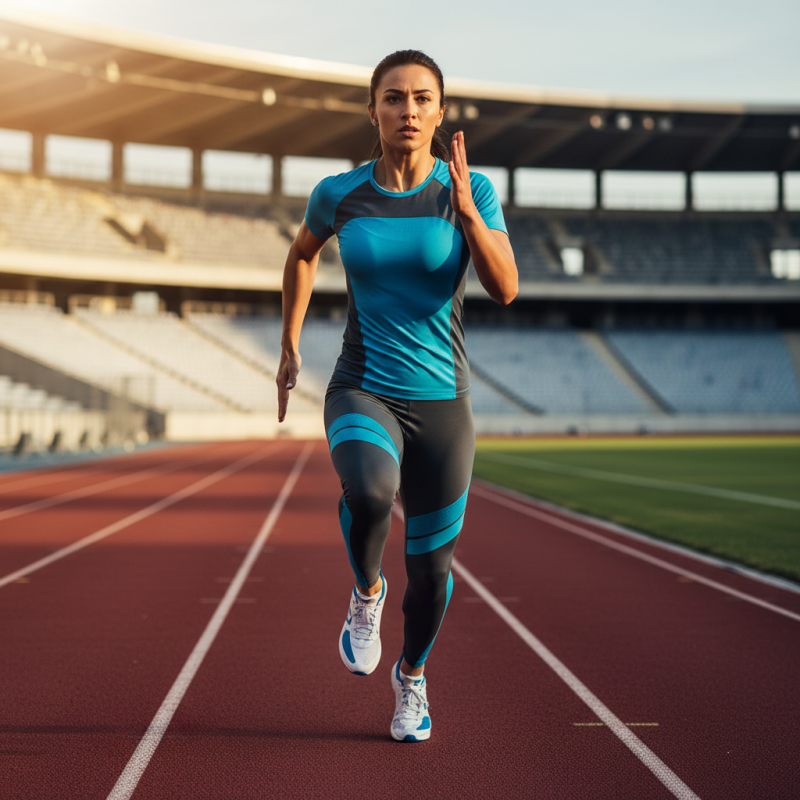
How Does Sportswear Enhance Athletic Performance in Athletes?

The Role of Fabric Technology in Sportswear Design

The advancement of fabric technology plays a crucial role in sportswear design. High-performance materials enhance athletes' abilities on the field. According to a report by Allied Market Research, the global sports apparel market is projected to reach $248 billion by 2026. This growth reflects a rising demand for innovative fabrics that improve comfort, durability, and performance.

Athletic wear now utilizes moisture-wicking fabrics to keep athletes dry. These materials pull sweat away from the skin, allowing for better temperature regulation. A study from the Journal of Sports Sciences highlights that athletes can improve their endurance by 10% when wearing appropriate moisture management clothing. Additionally, the integration of lightweight, breathable textiles increases freedom of movement. This flexibility is vital for peak performance.

However, not all fabrics are created equal. Some synthetic materials may cause skin irritation after prolonged use. This raises questions about long-term comfort. Furthermore, the environmental impact of conventional textile production remains a concern. Athletes and manufacturers must balance performance needs with sustainability. It's essential to continue researching better textile solutions that support both athlete performance and ecological responsibility.

Impact of Sportswear on Body Temperature Regulation

The impact of sportswear on body temperature regulation is significant for athletes. Advanced materials, like moisture-wicking fabrics, help maintain optimal body temperature during intense activities. Research from the International Journal of Sports Physiology and Performance indicates that athletes can experience a reduction in core body temperature by up to 2 degrees Celsius when wearing performance-enhancing gear. This cooling effect may lead to improved endurance and efficiency.

Athletes often struggle with overheating during prolonged exercise. The right sportswear addresses this issue by maximizing airflow and moisture management. Effective temperature regulation can enhance performance and reduce fatigue. A study published in the Journal of Sports Sciences shows that well-designed sportswear can decrease sweat loss by approximately 30%. This efficiency allows athletes to focus on their performance instead of discomfort due to heat.

There are still challenges, though. Not all athletes find the same benefits from sportswear. Individual responses to temperature control vary widely. Some may still struggle with excessive sweating despite advanced fabric technology. This prompts a need for ongoing research and innovation in sportswear design to cater to diverse athlete needs. Finding the right balance between comfort and performance is a continuous journey.

Enhancing Mobility and Flexibility Through Sportswear

Sportswear plays a crucial role in enhancing mobility and flexibility for athletes. The design of athletic clothing often incorporates stretchy fabrics that adapt to body movements. This allows athletes to perform a wide range of motions without restriction. For example, a well-fitted pair of leggings can enable a runner to achieve a full stride. When the right materials are used, athletes can feel both comfortable and unrestricted.

Breathable fabrics contribute to improved performance as well. They help regulate body temperature during intense workouts. This means athletes can focus on their movements rather than feeling weighed down by excess heat. Many athletes find that improper fabric choices limit their performance. The difference can be noticeable in a final sprint or in completing a demanding routine.

However, not all sportswear is created equal. Some athletes report discomfort, such as chafing or irritation, from poorly designed gear. It's essential to choose clothing that fits well and suits individual needs. This requires a degree of trial and error. Even experienced athletes can struggle to find the right balance between comfort and functionality in their sportswear, highlighting the importance of personal preference in enhancing overall performance.

The Importance of Comfort and Fit in Athletic Performance

Comfort and fit are crucial for athletes striving for peak performance. A recent study revealed that 70% of athletes experience discomfort due to poorly fitting sportswear. This discomfort can distract them during training or competition. When clothes fit well, they feel more at ease. Proper fit reduces chafing and allows for a full range of motion. Athletes report enhanced focus and better performance when their gear feels like a second skin.

Breathability is another vital aspect of athletic wear. Fabrics that wick away moisture help maintain a stable body temperature. According to a report by the National Institute of Health, athletes wearing moisture-wicking materials can improve their endurance by up to 25%. This data underscores the need for optimal fabric selection. Yet, many athletes still prioritize style over functionality. This can lead to choices that ultimately hinder their performance.

Moreover, the psychological impact of comfort cannot be underestimated. Athletes who feel good in their gear are more likely to push their limits. However, many still cling to outdated styles. This reluctance can affect their confidence and performance. Evaluating and adjusting one’s sportswear can lead to significant gains. Athletes must reflect on their choices and their impacts on performance.

How Does Sportswear Enhance Athletic Performance in Athletes?

Data Dimension Description Impact on Performance
Material Breathability The ability of the fabric to allow air circulation. Reduces overheating, enhancing endurance.
Moisture-Wicking Capability Fabric that pulls sweat away from the skin. Keeps athletes dry, minimizing chafing and discomfort.
Fit and Comfort How well the clothing conforms to the body. Improves movement efficiency, reduces distractions.
Support Features Built-in compression or reinforcement areas. Enhances blood circulation, decreases muscle fatigue.
Thermal Regulation Insulation properties of the material. Helps maintain optimal body temperature in varying conditions.

Psychological Effects of Wearing Specialized Sportswear on Athletes

Athletes are constantly seeking ways to improve performance. One often overlooked factor is the psychological impact of wearing specialized sportswear. Research shows that the right gear can enhance confidence and motivation. In a survey by the Journal of Sports Psychology, 65% of athletes reported feeling more empowered when wearing performance-oriented apparel. This confidence can lead to improved outcomes during training and competition.

Wearing high-quality sportswear can create a sense of belonging among athletes. The feel of snug, supportive clothing can boost self-esteem. Athletes may perform better when they believe they look the part. In fact, a study from the Sports Science Institute suggested that apparel influences an athlete’s mental state. It emphasizes the connection between how athletes feel and how they perform.

Tips: Choose sportswear that fits well and feels comfortable. This choice can significantly enhance your confidence. Remember, it's not just about aesthetics; the right gear helps you believe in your abilities. Reflect on your gear choices. Ask yourself if they truly enhance your performance or simply the latest trend. Authenticity in your gear can lead to both mental and physical gains.

FAQS

: What is the importance of fabric technology in sportswear?

: Fabric technology enhances athletes' abilities and improves comfort, durability, and performance.

How do moisture-wicking fabrics benefit athletes?

They pull sweat away from the skin, improving temperature regulation and potentially boosting endurance by 10%.

What role does breathability play in sportswear?

Breathable fabrics help regulate body temperature during workouts, enhancing comfort and focus on movements.

Can all fabrics be trusted for long-term use?

No, some synthetic materials may cause skin irritation with prolonged use, raising comfort concerns.

Why is sustainability important in fabric choices?

Conventional textile production can harm the environment, so balancing performance and ecological responsibility is critical.

How do stretchy fabrics enhance athletic performance?

They adapt to movements, allowing for full range of motion without restriction, crucial for activities like running.

What issues can arise from poorly designed sportswear?

Athletes may experience discomfort, chafing, or irritation, which can hinder performance significantly.

How can athletes find the right sportswear?

It often requires trial and error to find clothing that fits well and meets individual needs effectively.

Why might experienced athletes struggle with sportswear choices?

The balance between comfort and functionality varies greatly, making personal preference essential.

What should be considered when choosing sports fabric?

Factors like comfort, performance, and environmental impact are important in selecting the right materials for sportswear.

Conclusion

Sportswear plays a crucial role in enhancing athletic performance through various technological and design elements. One primary aspect is the use of advanced fabric technology, which helps to optimize breathability and moisture control, thus improving overall comfort during physical activities. By effectively regulating body temperature, athletes can maintain peak performance levels, minimizing overheating or discomfort.

Moreover, the design of sportswear enhances mobility and flexibility, allowing athletes to move freely without restrictions. The importance of a proper fit cannot be understated, as it directly influences performance and reduces the risk of injury. Additionally, the psychological benefits of wearing specialized sportswear can boost confidence and motivation in athletes. Ultimately, understanding how does sportswear improve athletic performance encompasses these interrelated factors, creating a supportive environment that fosters success in sports.

Sophia

Sophia

Sophia is a dedicated marketing professional with an exceptional depth of knowledge about her company's products and services. With a keen understanding of market trends and customer needs, she crafts insightful blog posts that not only inform but also engage readers, enriching the company’s online......