The custom sportswear industry is booming, with a significant rise in demand for personalized athletic apparel. The question on many minds is, "how long does custom sportswear production take?" According to recent reports from the Global Sportswear Association, the average production time ranges between 4 to 8 weeks, depending on various factors like design complexity and material availability.
John Smith, an expert in textile manufacturing, states, "Timelines vary greatly due to design specifications and the sourcing of eco-friendly materials." This highlights the need for brands to plan effectively. It's not just about speed; the focus must also be on quality. Rushing production often leads to overlooked details and dissatisfied customers.
Moreover, while some companies promote quick turnaround times, they may compromise on the quality and sustainability of their products. An informed approach involves balancing urgency with craftsmanship. Companies need to communicate clearly with clients about realistic timelines to avoid unmet expectations. Understanding these dynamics is crucial for successful custom sportswear production.
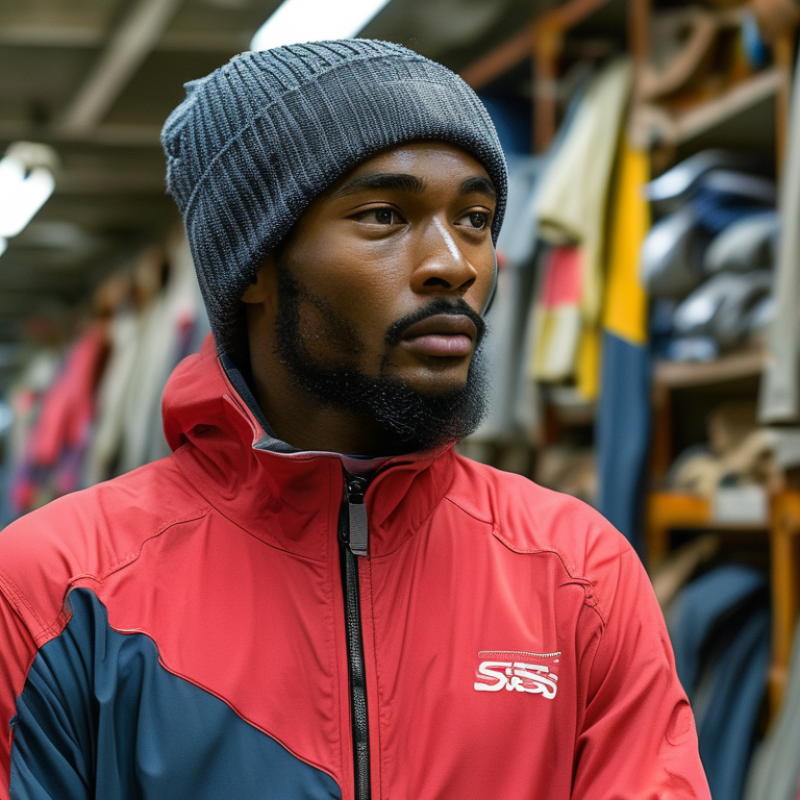
Custom sportswear production time can vary significantly based on several factors. One major factor is design complexity. Unique and intricate designs often require additional time for development. A straightforward design may only take a few days, while a complex one could take weeks.
Material choice also plays a critical role. High-quality fabrics may need longer sourcing and preparation times. Additionally, custom features like branding elements can delay production. A simple logo might be implemented quickly, but detailed customizations are more time-consuming.
Communication with manufacturers is vital. Clear instructions can expedite the production process. However, misunderstandings can lead to delays. It is crucial to maintain a collaborative relationship with the production team to ensure smooth operations. Planning and flexibility are essential. Adjusting timelines and expectations is often necessary to achieve the desired outcome in custom sportswear production.
Producing custom sportswear involves several stages, each requiring specific time frames. The design phase typically spans one to two weeks. It’s crucial to collaborate closely with designers to ensure your vision is accurately translated. This is where initial concepts come to life. Remember, adjustments may be necessary, so stay open to feedback.
The sampling phase follows, taking about three to four weeks. Samples are essential to visualize the final product. Utilize this time to evaluate fabric choices, colors, and fits. It's a chance to make practical changes, which can enhance performance. Be prepared; revisions may delay the timeline.
Finally, mass production can take four to six weeks, depending on order size. This phase requires constant communication with manufacturers. Monitor progress and address any potential issues promptly. It’s important to remain flexible as external factors can influence timelines.
Tips: Always check fabric durability before final approval. This can save you from costly replacements later. Don't rush the design stage; quality over speed is key. Engage a knowledgeable partner to navigate possible complications.
The material you choose for custom sportswear greatly influences the production timeline. Synthetic fabrics, like polyester and nylon, are often quicker to produce than natural fibers. According to a report by the Textile Federation, polyester can be processed swiftly due to its compatibility with modern manufacturing technologies. In fact, polyester's production speed can be up to 30% faster than cotton, making it a popular choice for sportswear.
However, sustainability is becoming a key factor. Many brands are shifting towards eco-friendly materials. Organic cotton, for instance, takes longer to cultivate and process. This can extend the production timeline by up to 20%. While these sustainable options appeal to conscious consumers, the extra time may affect inventory levels.
Custom designs can also impact production speed. Detailed graphics and intricate patterns may require additional setup time. Research indicates that production can be delayed by around 15% when more complex designs are involved. Balancing speed with quality remains a challenge for many manufacturers. Recognizing these nuances can lead to better decisions in the sportswear development process.
| Material Type | Production Speed (Days) | Durability Rating (1-10) | Cost per Unit ($) |
|---|---|---|---|
| Polyester | 10 | 8 | 15 |
| Nylon | 12 | 9 | 18 |
| Cotton Blend | 15 | 7 | 20 |
| Spandex | 8 | 6 | 22 |
| Bamboo Fabric | 14 | 8 | 25 |
Custom sportswear production can face several challenges that lead to delays. One common issue is the design process. Creating unique designs requires careful collaboration between clients and designers. Miscommunication can lead to revisions that extend timelines. Clear initial discussions can help, but misunderstandings often creep in.
Another hurdle is sourcing materials. The desired fabrics may not be readily available. Supply chain disruptions, seasonal variations, and international shipping can impact timelines. Brands may struggle to find high-quality materials that meet their standards. This uncertainty can create bottlenecks in production schedules, pushing back delivery dates.
Quality control is also a significant factor. Every piece of custom sportswear should meet strict quality standards. If defects are found during testing, it can lead to rework. Although quality assurance is essential, it sometimes adds extra days to the production timeline. Balancing speed with quality can be a complicated dance, requiring constant vigilance and adaptation.
Producing custom sportswear can be a time-consuming process. However, there are several strategies to minimize turnaround time. Understanding each production step is crucial. From design approval to final delivery, identifying bottlenecks can save days or even weeks.
Communication plays a vital role. Regular updates with your manufacturer can ensure issues are addressed promptly. If specifications change, quick feedback can prevent delays.
Consider using digital mock-ups. They can accelerate the design approval phase and reduce the time spent on revisions.
Quality control should also be efficient. Implementing thorough checks during production can catch errors early. This minimizes the risk of major corrections later in the process.
While achieving speed is essential, maintaining quality is equally important. Balancing speed and quality requires continuous reflection on your processes.
: Synthetic fabrics like polyester can increase production speed by up to 30% compared to cotton.
Eco-friendly materials, like organic cotton, can increase production time by 20%. This may affect inventory levels.
Complex designs may delay production by around 15% due to additional setup time and details required.
Miscommunication in design discussions can lead to revisions, extending production timelines.
Seasonal variations and supply chain disruptions can limit the availability of high-quality fabrics needed for production.
If defects are found, rework is necessary, which can delay delivery. Balancing quality and speed can be difficult.
Identifying bottlenecks in the production process can save time, from design approval to delivery.
Regular updates and prompt feedback can prevent delays caused by changes in specifications.
Digital mock-ups can speed up design approval, reducing time spent on revisions and improving timelines.
Achieving quick production requires ongoing reflection on processes without compromising quality standards.
The production timeline for custom sportswear can vary significantly based on several factors. Understanding how long does custom sportswear production take involves recognizing the impact of design complexity, material selection, and production methods. Each stage of production—ranging from design approval to manufacturing and delivery—typically follows a structured timeline, which can be influenced by the chosen materials. For instance, some fabrics may expedite the process, while others could introduce delays due to longer manufacturing times or sourcing challenges.
Common obstacles that can prolong the production process include equipment issues, unexpected demand fluctuations, and communication lapses between designers and manufacturers. To effectively reduce turnaround time in custom sportswear orders, it is essential to streamline the decision-making process, select efficient materials, and maintain clear communication throughout all stages of production. By addressing these factors, businesses can significantly improve their delivery times and meet customer expectations more effectively.

Wearth Apparel