OEM sportswear manufacturing is a vital segment of the apparel market. It allows brands to create customized sportswear that meets consumer demands. In 2022, the global sports apparel market was valued at approximately $200 billion. This figure is projected to reach $300 billion by 2027, showcasing significant growth potential.
Understanding what is OEM sportswear manufacturing involves recognizing its role in brand development. OEM partnerships help brands focus on design and marketing while outsourcing production. This strategy not only reduces production costs but also shortens time to market. Many leading brands depend on OEM manufacturers to ensure high-quality products at a competitive price.
However, relying on OEM manufacturing also presents challenges. Quality control can be inconsistent, and communication issues may arise. Brands must establish clear guidelines to maintain standards. Continuous evaluation of OEM partnerships is essential. Balancing cost efficiency and product quality remains a constant concern in the industry.
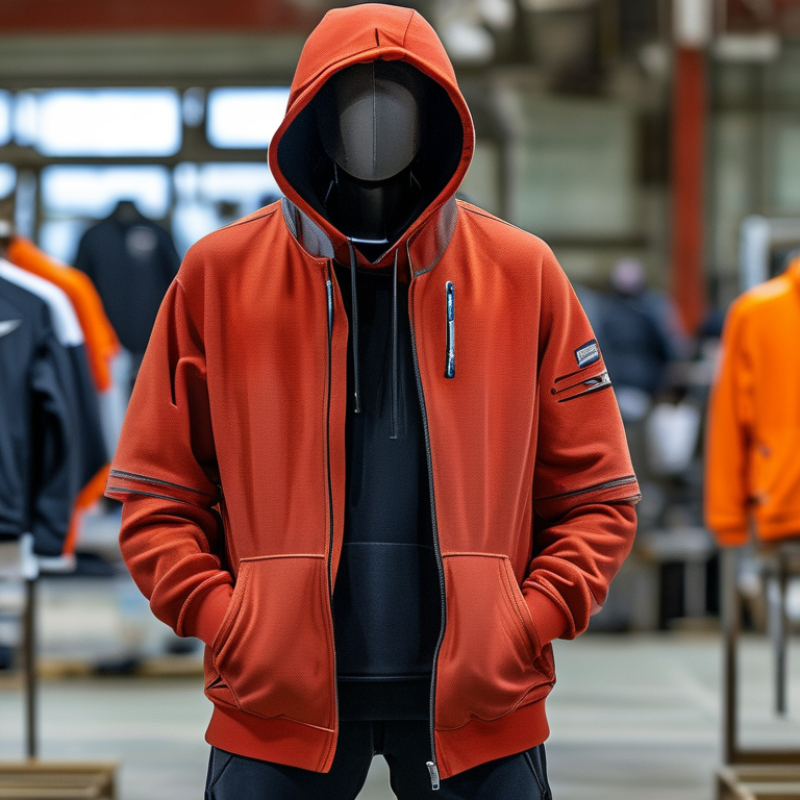
What is OEM Sportswear Manufacturing?
OEM sportswear manufacturing refers to Original Equipment Manufacturer processes. This involves companies producing sports apparel for other brands. Many sports brands rely on OEMs to create high-quality clothing that reflects their brand ethos. It allows brands to focus on marketing and design while leaving production to experts. This collaboration enhances efficiency and allows for scaling production based on demand.
The importance of OEM sportswear manufacturing cannot be overstated. It fills gaps in the supply chain, streamlining production timelines. However, not all OEMs are the same. Some may lack quality control, leading to inconsistent products. Brands must carefully select partners to ensure their standards are met. This process often requires time and careful consideration. It's crucial to evaluate potential manufacturing partners to maintain brand integrity. In a constantly evolving market, finding reliable OEMs can be a challenging task. The balance between cost, quality, and reliability is delicate but vital.
The Definition and Process of OEM Manufacturing Transformation
OEM sportswear manufacturing refers to Original Equipment Manufacturer processes in creating sports apparel. This process enables companies to outsource production while maintaining control over design and quality. By collaborating with experienced manufacturers, brands can access expertise that enhances their product offerings.
The transformation into OEM manufacturing involves several critical steps. Initially, brands outline their design and technical specifications. Manufacturers then utilize these details to produce samples, ensuring that the final product aligns with the brand's vision. This stage often requires several iterations to achieve the desired results. Some brands may struggle with communication, which can lead to delays or misunderstandings. Establishing a clear dialogue can mitigate these risks.
Once samples are approved, mass production begins. This requires careful coordination to manage timelines and quality checks. Brands must also consider logistics for shipping and inventory management. Fluctuations in demand can create challenges, leading to overstock or shortages. Adapting to market needs is essential for success. Brands often reflect on their processes, identifying areas for improvement to stay competitive in the ever-evolving sportswear market.
Key Benefits of OEM Sportswear Manufacturing for Brands and Retailers
OEM sportswear manufacturing allows brands to streamline production with minimal risk. It creates opportunities for retailers to offer innovative designs. By outsourcing manufacturing, brands can focus on core activities. This includes marketing and customer engagement.
Cost efficiency is a key benefit of OEM production. Manufacturers often have established supply chains and capabilities. This can lead to lower production costs, which is crucial in a competitive market. Brands can dedicate saved resources into enhancing their products. However, relying on external manufacturers does bring challenges. Quality control may vary, and brands must ensure their standards are met.
Moreover, OEM manufacturing encourages sustainability practices. Many OEMs are now adopting eco-friendly materials and processes. Brands can align themselves with consumer demand for sustainability. Transparency in production processes is becoming increasingly important. Brands need to carefully choose their partners to ensure ethical manufacturing standards. This requires ongoing evaluation and commitment to ethical practices.
Quality Control and Standards in OEM Sportswear Production
Quality control is essential in OEM sportswear manufacturing. It ensures that every piece meets high standards of performance and durability. Manufacturers must implement rigorous testing protocols. This helps identify defects early in the production process.
Ensuring quality begins with selecting the right materials. Fabrics should be breathable and comfortable. They should also provide adequate moisture-wicking properties. Furthermore, the stitching must be strong to withstand the rigors of athletics. Companies often rely on third-party inspections for unbiased feedback. This reinforces trust and credibility in their processes.
Tips: Always request sample products. Test the fabric and fit thoroughly. Monitor production batches to catch inconsistencies. Addressing issues promptly can save time and costs later. Regular training for workers is vital to maintain high standards. Craftsmanship plays a crucial role in the overall quality.
Inconsistent attention to detail can lead to costly mistakes. Each phase of production should focus on improving outcomes. Small flaws, if overlooked, can affect customer satisfaction significantly. Continuous improvement should be a goal for every OEM partner.
The Role of OEM in Global Sportswear Industry Trends
OEM sportswear manufacturing plays a crucial role in the global sportswear industry. By partnering with Original Equipment Manufacturers, brands can access specialized production capabilities. This collaboration allows for innovative designs and materials that cater to the latest market trends. OEMs often have extensive experience in manufacturing, which enhances product quality and efficiency.
Many sportswear brands rely on OEMs to meet consumer demands quickly. The flexibility of these manufacturers can accommodate seasonal trends and changing preferences. For instance, if a new fabric technology emerges, OEMs can rapidly adjust production lines, ensuring that brands stay competitive. However, this dependence also presents challenges. Not all OEM partners maintain the same quality standards, which can lead to inconsistencies.
Brands must carefully choose their OEM partners to align with their values and standards. Communication is critical. Misalignment can result in misunderstandings about timelines and quality expectations. Navigating these complexities requires a balance of trust and vigilance. As the sportswear market evolves, OEMs will continue to play a pivotal role in shaping industry trends.
FAQS
: OEM sportswear manufacturing involves outsourcing production while retaining control over design and quality.
Brands outline their design and technical specifications for manufacturers to produce samples.
Communication issues can lead to delays or misunderstandings. Clear dialogue helps mitigate these risks.
Mass production begins, requiring careful coordination for timelines and quality checks.
Effective logistics manage shipping and inventory, adapting to fluctuations in demand.
Selecting OEM partners that align with brand values is vital for maintaining quality standards.
Flexibility allows manufacturers to accommodate seasonal trends and quickly adapt to new technologies.
Brands must identify areas for improvement within their processes to stay competitive.
Not all OEMs uphold the same quality standards, leading to inconsistencies.
Misalignment in timelines and quality expectations can arise from poor communication.
Conclusion
OEM sportswear manufacturing refers to the process where original equipment manufacturers produce sportswear products for brands and retailers. This approach allows brands to focus on their designs and marketing while leveraging the expertise and resources of specialized manufacturers. The transformation process involves several phases, including design collaboration, material selection, and production, ensuring that final products meet specific quality standards.
One of the key benefits of OEM sportswear manufacturing is cost efficiency, as it often results in reduced overhead and production costs. Additionally, OEM production guarantees adherence to quality control standards, ensuring that products meet consumer expectations for performance and durability. As trends in the global sportswear industry evolve, OEM partners play a crucial role in helping brands quickly adapt to changing market demands and consumer preferences, reinforcing their importance in this competitive landscape.

 Wearth Apparel