In the fast-evolving world of fashion, understanding "what is ODM sportswear manufacturing" is increasingly essential. Industry expert Dr. Alex Thompson, a renowned figure in sports apparel development, states, “The ODM model enables brands to focus on design while leaving manufacturing to experts.” This encapsulates the essence of the ODM, or Original Design Manufacturer, process in sportswear.
ODM sportswear manufacturing offers a streamlined approach. Brands can leverage established manufacturers' expertise and resources. This method minimizes risks and maximizes efficiency. Many new brands choose this route to compete in a crowded market. However, some lack knowledge about the intricacies of the ODM model. This gap can lead to missed opportunities or misunderstandings in partnership expectations.
Additionally, the reliance on ODM can pose challenges. While it allows for quick production, the potential loss of brand identity is a concern. Brands must balance outsourcing with maintaining their unique voice. In navigating this landscape, companies can benefit from understanding what ODM sportswear manufacturing truly entails.
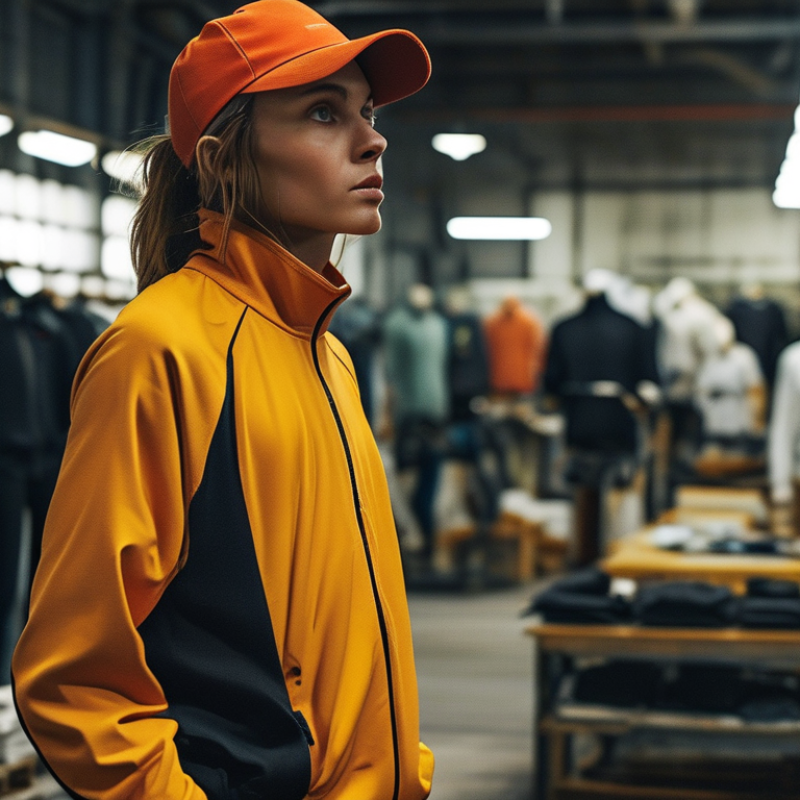
ODM sportswear manufacturing, or Original Design Manufacturing, has gained popularity in the athletic apparel industry. This model allows brands to outsource the design and production of their sportswear. With the global activewear market expected to reach $547 billion by 2024, ODM plays a crucial role in meeting rising consumer demands.
The ODM process begins with the client's vision. Manufacturers utilize their expertise to turn ideas into tangible products. According to a report by Research and Markets, the global sportswear market grew by 8.5% annually from 2016 to 2021. Manufacturers must stay agile and innovative to meet these trends. Collaboration and efficient communication are essential. However, success depends on managing quality control and maintaining ethical labor practices, which can be a significant challenge.
While ODM allows for rapid production, it can also lead to pitfalls. Brands may struggle with inconsistencies in quality. Limited oversight can result in products that do not meet expectations. Many manufacturers face difficulties in aligning the design with the brand's vision. Despite these challenges, ODM remains a valuable option. It enables brands to focus on marketing while suppliers manage the complexities of production.
ODM (Original Design Manufacturer) sportswear manufacturing offers distinct advantages compared to other models. It combines design and production under one roof, which streamlines the process. In 2022, the global activewear market was valued at $350 billion, with ODM manufacturers capturing a significant portion due to their efficiency.
Unlike traditional manufacturing models, ODM services offer brands a chance to sell unique designs quickly. They handle everything from design concepts to production, allowing brands to focus on marketing. Data from Market Research Future suggests that ODM production can reduce time to market by up to 30%. This speed can be crucial in a fast-paced industry.
Be mindful that not every ODM partnership is perfect. Sometimes, brands face challenges with communication or misalignment on designs. Regular checks and close communication can help mitigate these issues.
**Tip:** Regularly assess your ODM partner's quality control processes. This can prevent setbacks in production.
Finding the right ODM manufacturer is crucial. Look for those with proven experience and reliability. Always verify their past projects to ensure they meet your standards.
**Tip:** Conduct thorough research before committing to an ODM partner. This additional step can save time and resources.
ODM sportswear manufacturing has gained popularity for its streamlined processes and cost efficiency.
The term ODM stands for Original Design Manufacturer. In this model, a company designs and produces apparel based on a client's specifications. It allows brands to save time and resources while tapping into specialized expertise.
The process begins with collaboration between the brand and the manufacturer. Initial designs are created, taking into account the latest trends and material innovations. Next, prototypes are developed. This stage is crucial for feedback and adjustments. After refining the designs, mass production starts. Quality control measures are essential throughout to ensure consistency. Despite the efficiency, manufacturers sometimes face challenges with communication and timing. Misalignment can lead to delays.
Lastly, the distribution phase follows. Finished products are shipped to retailers or directly to consumers. ODM manufacturing can seem straightforward, but it requires careful orchestration. Brands must balance vision with execution. The dynamic nature of fashion adds complexity. Reflecting on these elements can highlight areas for improvement within the ODM process.
Choosing ODM (Original Design Manufacturer) for sportswear brings multiple benefits for brands looking to excel. ODM partners handle the entire production process, from design to manufacturing. This allows sportswear brands to save time and focus on marketing and sales. The flexibility in design ensures that brands can quickly adapt to market trends.
One significant advantage is the access to expert resources. ODM manufacturers often have specialized knowledge in textiles and production techniques. This expertise leads to high-quality products that can enhance a brand's reputation. Investing in an ODM can also significantly reduce costs due to efficient production practices. Brands may find that they can produce more without a proportional increase in expenditure.
Tip: When selecting an ODM partner, ensure they have a solid portfolio and good references. This assessment is crucial to avoid potential pitfalls.
However, relying on an ODM can come with challenges. Brands might face issues with communication or quality control. It’s essential to establish clear expectations and maintain consistent oversight during the production process. This engagement helps in building a trustworthy partnership and ensures the final product meets the brand's standards.
Tip: Conduct regular audits and maintain open lines of communication with your ODM. These practices promote transparency and align both parties on production goals.
ODM sportswear manufacturing involves creating products designed by a brand, with production handled by a partner firm. This model faces unique challenges, particularly in maintaining quality while reducing costs. According to a recent industry report, 72% of manufacturers struggle with managing supply chain complexities, impacting production timelines.
One significant hurdle is ensuring consistent quality. Many ODM providers face difficulties in material sourcing and manufacturing processes. A survey indicates that 65% of brands report inconsistent product quality as a major issue. Addressing this requires strong communication and a solid partnership with manufacturers. Regular quality checks and clear guidelines can significantly enhance product outcomes.
Tip: Establish a solid relationship with your ODM partner. Frequent updates can help identify issues early.
Sustainability is another pressing challenge. As consumer demand for ethical fashion rises, manufacturers must adapt. Data shows that 78% of consumers are willing to pay more for sustainable products. However, transitioning can be complex. From sourcing eco-friendly materials to refining production methods, these changes require investment and commitment.
Tip: Consider sustainability as a core value. Collaborating with suppliers who prioritize eco-friendly practices can set your brand apart.
| Dimension | Details |
|---|---|
| Definition | ODM sportswear manufacturing refers to original design manufacturing where a company designs and produces sportswear for other brands. |
| Key Processes | Includes design concept development, material sourcing, production, quality control, and packaging. |
| Advantages | Lower production costs, faster time to market, and access to specialized expertise. |
| Challenges | Quality control, communication barriers, and reliance on supplier capabilities. |
| Solutions | Establishing clear communication protocols, regular audits, and developing strong partnerships with manufacturers. |
| Future Trends | Sustainable materials, smart textiles, and custom designs driven by consumer preferences. |
: ODM stands for Original Design Manufacturer. They manage design and production for brands.
It saves time and allows brands to focus on sales and marketing while ensuring efficient production.
Brands should check the ODM's portfolio and references carefully to avoid issues.
Common challenges include communication issues and quality control, which require clear expectations.
Regular audits and consistent communication with the ODM can significantly enhance quality outcomes.
Many consumers prefer sustainable products, so brands must adapt to meet this demand.
A major challenge is inconsistent product quality due to material sourcing and manufacturing issues.
Maintaining frequent updates and open communication can help identify issues early in the process.
Yes, ODMs often reduce costs through efficient production practices, allowing higher output.
Expert knowledge in textiles contributes to high-quality products, enhancing the brand's reputation.
What is ODM sportswear manufacturing? It refers to the process where Original Design Manufacturers create sportswear products for brands, managing everything from design to production. This model differs from traditional manufacturing approaches by allowing brands to focus on marketing and sales while outsourcing their product development and manufacturing responsibilities.
The ODM sportswear manufacturing process involves collaborative design, prototyping, and final production. Brands benefit from this approach through reduced lead times and cost savings, leveraging the expertise of ODMs in materials and trends. However, challenges such as quality control and communication may arise, which can be addressed through effective project management and clear contracts. Overall, choosing ODM can offer substantial advantages for sportswear brands seeking efficiency and innovation in their product offerings.

Wearth Apparel