Why is Moisture Wicking Fabric Essential for Performance?

Time:2026-06-02 Author:Charlotte
0%

In the world of athletic wear, moisture-wicking fabric shines brightly. This technology transforms how athletes perform and feel during intense activities. Understanding why is moisture wicking fabric important can reveal its undeniable value.

When engaging in sports, sweat is inevitable. However, the way it is managed can make or break an athlete's experience. Moisture-wicking fabrics draw sweat away from the skin, keeping it dry and comfortable. This is especially crucial during high-intensity workouts. A dry body is a happy body, reducing the risk of chafing and irritation.

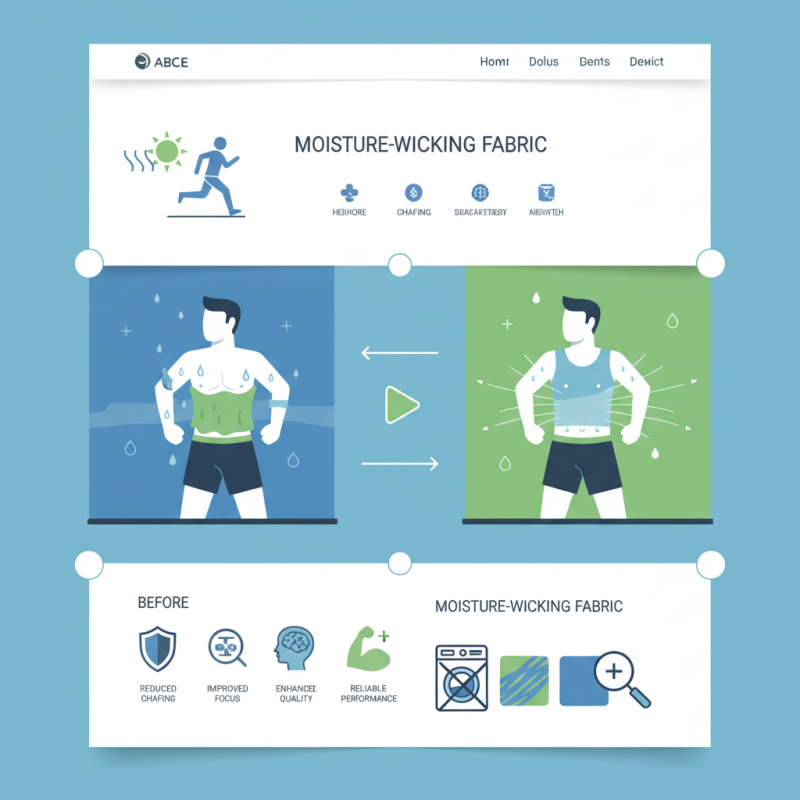
Consider a runner on a hot day. As they push themselves, they rely on their gear to keep them cool. The discomfort of wet fabric can distract from their performance. With moisture-wicking technology, they can maintain focus and reduce fatigue. However, not all moisture-wicking fabrics are created equal. Some may lose their effectiveness after washing. Athletes must explore options and find reliable brands. Overall, moisture-wicking fabrics play a crucial role in athletic performance, making them a key component in sportswear.
Why is Moisture Wicking Fabric Essential for Performance?

Understanding Moisture Wicking Fabric: Definition and Functionality

Moisture wicking fabric plays a crucial role in enhancing athletic performance. Understanding its definition and functionality can help athletes make informed choices. This type of fabric is designed to pull moisture away from the skin. It keeps you dry, comfortable, and focused during intense workouts or competitions.

The functionality of moisture wicking fabric lies in its ability to move sweat away from your body. This technology helps regulate body temperature. When you’re cooler, you perform better. The fabric often contains special fibers. These fibers create capillary action, ensuring quick evaporation. Many athletes find it essential for long runs or high-intensity sports.

**Tips:** Choose fabrics with a soft texture. Avoid those that may chafe during movement. Always consider fit when selecting moisture wicking apparel. A tight fit can hinder airflow, while a loose fit may not wick moisture effectively. Real-world testing can reveal imperfections in any fabric. Pay attention to how different materials interact with your body. This reflection will guide your choices and improve performance.

Why is Moisture Wicking Fabric Essential for Performance?

Attribute Description Benefits
Moisture Management Ability to pull sweat away from the skin and disperse it across the fabric. Keeps the body dry, reducing the risk of chafing and discomfort.
Breathability Allows air circulation throughout the fabric. Enhances comfort during high-intensity activities by regulating body temperature.
Quick Drying Fabric dries faster than traditional materials. Prevents heavy, wet fabric from inhibiting performance.
Durability Constructed to withstand wear and tear from sports activities. Long-lasting performance without losing moisture-wicking properties.
Lightweight Generally made from lightweight synthetic materials. Enhances mobility and speed during athletic activities.

The Science Behind Moisture Management in Performance Sportswear

Moisture management is critical in performance sportswear. When athletes push their limits, sweat accumulates. If moisture lingers on the skin, it can lead to discomfort and reduced performance. According to a report by Sportswear International, 70% of athletes report that fabric choice impacts their training. This statistic highlights the importance of effective moisture-wicking technology.

The science behind moisture-wicking fabrics involves specialized fibers that move sweat away from the skin. These fabrics are designed to pull moisture to the surface, where it can evaporate quickly. A study conducted by the Textile Research Journal indicates that moisture-wicking materials can improve thermal regulation during high-intensity activities. The right fabric can lower body temperature by up to 3 degrees Celsius. This temperature difference may not seem significant, but it is crucial during prolonged exertion.

Despite advancements, not all moisture-wicking fabrics perform equally. Some may quickly lose their effectiveness after repeated washes. This raises questions about longevity and sustainability in sportswear. Maintaining performance while ensuring durability remains a challenge for manufacturers. Continuous research is needed to blend comfort, performance, and environmental responsibility in fabric development.

Moisture Wicking Fabric Performance Comparison

This chart illustrates the moisture management efficiency of various fabric types commonly used in performance sportswear. The data indicates that while cotton has a lower moisture-wicking capability, polyester stands out as the most efficient fabric, making it ideal for high-performance environments.

Benefits of Moisture Wicking Fabric for Athletic Performance

Moisture-wicking fabric is crucial for athletes. This type of fabric draws sweat away from the skin. It keeps the body cooler during intense activities. Staying dry enhances comfort, allowing athletes to perform better. When sweat evaporates quickly, it reduces chafing and irritation.

Additionally, moisture-wicking fabrics often incorporate breathable materials. This ventilation improves airflow, preventing overheating. Athletes can focus on their performance rather than discomfort. Hydration levels can also impact effectiveness, and staying dry helps maintain optimal body temperature. Many users notice an increase in endurance. But, the effectiveness can depend on how these fabrics are used and maintained.

It's essential to understand that not all moisture-wicking fabrics are created equal. Some may lose their properties after multiple washes. Others might not perform well in high humidity. Be mindful of these factors when choosing gear. Evaluating these details ensures you maximize benefits. Reflecting on personal experiences can help refine your choices.

How Moisture Wicking Fabric Enhances Comfort and Reduces Distraction

Moisture wicking fabric plays a crucial role in athletic performance. It pulls moisture away from the skin and promotes evaporation, keeping athletes cooler. According to a study by the Textiles and Apparel Research Group, fabrics that wick moisture can reduce skin temperature by up to 10°F during intense activities. This temperature regulation enhances comfort, enabling individuals to focus more on their performance rather than their discomfort.

Additionally, wicking fabrics can reduce distractions caused by sweat accumulation. Traditional cotton absorbs moisture but retains it, leading to chafing and irritation. This can divert attention at critical moments. A report from the International Journal of Sports Science found that athletes wearing moisture-wicking gear reported a 30% decrease in discomfort during prolonged activities. Less distraction contributes significantly to improved performance.

Tips: Choose fabrics with a blend of synthetic materials, like polyester or nylon, for effective moisture management. Make sure the fabric is breathable and has good ventilation. If possible, test a few types of moisture-wicking fabric during your training sessions to determine which works best for you. Focus on how different fabrics feel against your skin for the best comfort.

Choosing the Right Moisture Wicking Fabrics for Various Activities

Choosing the right moisture-wicking fabric can greatly affect your performance during various activities. Understanding the material's properties is essential. For running, lightweight fabrics that dry quickly are ideal. They prevent chafing and allow for greater freedom of movement. Activities like yoga benefit from stretchy, breathable options that also wick away sweat.

Consider these tips: check the fabric's moisture management features before a purchase. Look for options labeled as "quick-dry" or "breathable." Feel the fabric texture. Softness impacts overall comfort. For outdoor adventures, thicker fabrics may offer better insulation and protection against elements.

In sports where temperature regulation is vital, think about layering. A good base layer made of moisture-wicking material enhances comfort in both hot and cold conditions. If you notice irritation during your workout, rethink your fabric choices. Sometimes, the right fabric makes all the difference in focus and performance.

FAQS

: Why is moisture management important in sportswear?

: Moisture management prevents sweat accumulation on the skin, reducing discomfort and enhancing performance during intense activities.

How do moisture-wicking fabrics work?

These fabrics use specialized fibers to pull sweat away from the skin and to the surface, where it evaporates quickly.

Can moisture-wicking fabrics help with temperature regulation?

Yes, they can lower body temperature by up to 3 degrees Celsius during high-intensity activities, improving overall comfort.

Do all moisture-wicking fabrics perform the same?

No, some fabrics lose effectiveness after multiple washes or may not work well in high humidity conditions, requiring careful selection.

What benefits do moisture-wicking fabrics provide for athletic performance?

They keep athletes dry, reduce chafing, enhance comfort, and allow better focus on performance rather than discomfort.

How can I choose the right moisture-wicking fabric?

Look for a blend of synthetic materials, ensure breathability, and consider personal tests to find the best fit for comfort.

What can impact the effectiveness of moisture-wicking fabrics?

Hydration levels and garment maintenance can greatly influence how effectively these fabrics manage moisture during activities.

What are common issues with moisture-wicking fabrics?

Fabrics may lose their moisture-wicking properties over time, raising concerns about durability and environmental sustainability.

How do athletes report feeling when using moisture-wicking gear?

Studies show athletes felt 30% less discomfort during activities, indicating that these fabrics reduce distractions and improve performance.

Is it worth investing in moisture-wicking gear?

Reflect on personal experiences; many athletes find that it significantly enhances comfort and performance during workouts and competitions.

Conclusion

Moisture wicking fabric plays a crucial role in enhancing athletic performance, making it essential for sportswear. Understanding moisture wicking fabric involves recognizing its functionality; it efficiently draws sweat away from the skin to the fabric's surface where it can evaporate. This moisture management is vital for maintaining optimal body temperature and preventing overheating during intense physical activities.

The benefits of moisture wicking fabric extend beyond performance enhancement; it also significantly improves comfort and minimizes distractions by keeping the body dry. When athletes wear the right moisture wicking fabrics tailored for their specific activities, they can focus solely on their performance without the discomfort of damp clothing. In summary, understanding why moisture wicking fabric is important helps athletes choose the best materials for their needs, ensuring a more effective and enjoyable experience in their sport.

Charlotte

Charlotte

Charlotte is a seasoned marketing professional with a deep understanding of the company's portfolio and a passion for elevating its presence in the market. With a keen eye for detail and a commitment to excellence, she ensures that our professional blog is regularly updated with insightful articles......