How to Choose What Sportswear Is Made Of in 2026?

Time:2026-10-11 Author:Amelia
0%

Choosing sportswear in 2026 requires more than checking its color, stretch, or price. The better question is: what is sportswear made of, and how will those materials perform over time? A running shirt may contain recycled polyester, elastane, nylon, wool, or several blended fibers. Each option changes breathability, drying speed, durability, comfort, and end-of-life recovery. The label is only the beginning.

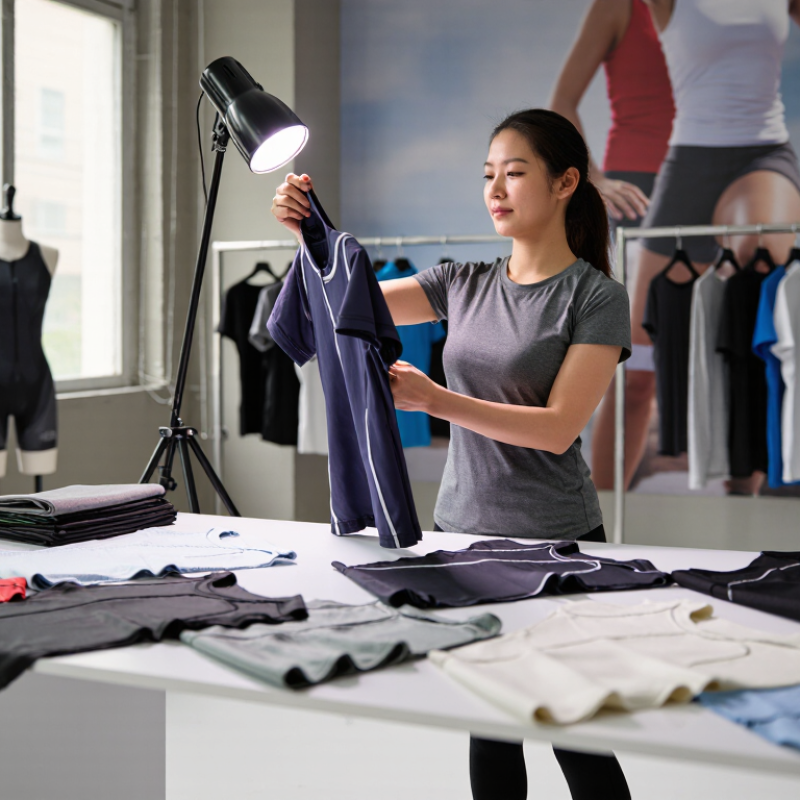
Patagonia founder Yvon Chouinard has said, “The most environmentally friendly product is the one you already own.” That principle makes durability essential. A pair of leggings that survives repeated washing may be more responsible than a fashionable garment replaced after one season. Look for dense stitching, secure seams, fabric recovery, and clear fiber percentages. Hold the material under light. Thin areas and uneven knitting can reveal weak construction.

No fabric is perfect. Recycled polyester can reduce dependence on virgin resources, yet it may still release microfibers during washing. Elastane improves movement, but blends can make recycling more difficult. Merino wool offers natural odor resistance, although animal welfare and care requirements deserve attention. These trade-offs matter.

This guide examines materials through performance, durability, care, and transparency. It also considers certifications, supplier information, and realistic use patterns. Claims should be checked, not admired. A “sustainable” label alone proves little. Your training routine matters too. A cyclist, marathoner, and gym user may need entirely different fabrics. I still believe the best choice is rarely the most perfect-sounding one. It is the garment that performs reliably, lasts longer, and matches how you actually move.
How to Choose What Sportswear Is Made Of in 2026?

What Sportswear Materials Are Available in 2026?

Choosing sportswear materials in 2026 starts with the activity, not the marketing label. Polyester remains dominant, representing about 57% of global fiber production in 2023, according to Textile Exchange’s Materials Market Report 2024. It dries quickly, resists wrinkles, and handles repeated washing well. Recycled polyester can reduce reliance on virgin resources, but textile-to-textile recycling still represented less than 1% of global fiber production. The label is not the whole truth.

Nylon suits climbing tights, swimwear, and high-friction panels because it stretches smoothly and resists abrasion. Elastane adds compression, although heat and chlorine can damage it over time. Cotton feels comfortable during warm-up sessions, but it absorbs sweat and dries slowly. That can feel heavy during a long run. Wool, including fine animal fibers, manages temperature and odor naturally, while regenerated cellulose fibers offer a softer hand feel. Their durability varies.

Newer options include bio-based polymers, recycled polyamide, and chemically recycled fibers. The Textile Exchange report shows recycled fibers are growing, yet supply remains uneven. The European Environment Agency also warns that synthetic textiles release microfibers during washing, so fabric structure and care matter. A tightly knitted fabric may shed less than a loose fleece, but this depends on construction and testing. I would ask for abrasion, colorfastness, drying-time, and fiber-shedding data. Many product claims still lack comparable methods. Feel the fabric after ten washes, not only under showroom lights.

How Fabric Performance Affects Different Sports and Activities

How to Choose What Sportswear Is Made Of in 2026?

Fabric performance changes with the activity, weather, and your movement. A runner needs quick-drying fabric that manages sweat around the chest and back. Lightweight stretch also helps during longer strides. However, highly breathable fabric may feel cold during early morning runs.

For strength training, durability and flexibility matter more. A fabric with controlled stretch supports squats, lunges, and overhead movements. It should recover after repeated use. Flat seams can reduce rubbing near the shoulders and waist. I once chose very soft leggings for weight training, but the fabric became uncomfortable under heavy movement. Softness alone is not enough.

Cycling and outdoor sports require more careful choices. A close-fitting fabric can reduce wind resistance, while insulation helps on exposed roads. For hiking, abrasion resistance matters near backpack straps. Swimmers need materials that keep their shape in water and resist frequent chlorine exposure. Comfort still depends on fit.

Small details affect real performance. Check drying time after washing. Notice whether the fabric clings when wet. Test arm movement before buying. In my experience, fabric labels provide useful data, but they cannot predict every body or climate. A breathable shirt may work well in humid training and disappoint in cold wind. Personal testing remains imperfect, yet it often reveals what specifications miss.

How to Choose What Sportswear Is Made Of in 2026? - How Fabric Performance Affects Different Sports and Activities

Sport or Activity Typical Conditions Recommended Fabric Structure Useful Fiber Composition Moisture Management Stretch and Mobility Durability Key Fabric Priorities Main Trade-Off
Running High sweat output, repetitive movement, outdoor weather changes Lightweight knitted fabric with moisture-wicking channels and low water absorption Polyester with 5–15% elastane 5/5 4/5 4/5 Quick drying, lightweight feel, flat seams, reflective details for low light Synthetic fibers can retain odor unless treated or washed correctly
Strength Training Abrasion from equipment, large ranges of motion, frequent washing Dense stretch knit or interlock fabric with strong recovery Nylon with 15–25% elastane 4/5 5/5 5/5 High tear resistance, squat-proof opacity, four-way stretch, shape retention Higher elastane content may reduce heat resistance and complicate recycling
Yoga and Pilates Low to moderate impact, prolonged stretching, close skin contact Soft, opaque, four-way stretch jersey with a smooth surface Nylon or polyester with 15–25% elastane; modal blends may be used for softer styles 4/5 5/5 3/5 Soft hand feel, low transparency, seam comfort, excellent stretch recovery Very soft cellulosic fibers can be less abrasion-resistant when wet
Cycling Wind exposure, prolonged sitting, sweat, road abrasion and sun Close-fitting warp knit or structured jersey with targeted ventilation panels Polyester or nylon with 10–20% elastane 5/5 4/5 4/5 Low aerodynamic bulk, fast drying, UV protection, compression and pocket stability Close-fitting fabrics may feel restrictive if sizing or stretch recovery is poor
Hiking and Trekking Variable temperatures, abrasion from packs, wind, rain and long wear Layered system: moisture-wicking base layer, insulating mid-layer and weather-resistant shell Merino wool or polyester base; polyester fleece mid-layer; nylon or polyester shell 4/5 3/5 5/5 Temperature regulation, odor control, abrasion resistance, wind and rain protection Wool can dry more slowly than polyester; waterproof coatings require care
Skiing and Snowboarding Cold, snow, wind, moisture, impact and layering requirements Moisture-wicking base layer, insulating fleece or wool mid-layer and breathable waterproof shell Merino wool or polyester base; polyester fleece or wool mid-layer; nylon or polyester shell 4/5 3/5 5/5 Insulation, wind resistance, waterproof breathability, articulated construction and low bulk Highly protective multi-layer garments can be heavier and more expensive
Swimming Continuous water exposure, chlorine or saltwater, drag and sun Dense, smooth, shape-retaining fabric with low drag and chlorine resistance Polyester with elastane for training; chlorine-resistant polyester for frequent pool use 2/5 4/5 5/5 Low water absorption, secure fit, chlorine resistance, UV protection and colorfastness Elastane-containing fabrics can lose stretch faster under prolonged chlorine exposure
Tennis and Racket Sports Repeated acceleration, sweat, outdoor sun and frequent arm movement Lightweight stretch knit with ventilated zones and strong recovery Polyester with 8–15% elastane 4/5 5/5 4/5 Fast drying, unrestricted shoulder movement, lightweight construction and UV resistance Highly lightweight knits may snag more easily than dense fabrics
Team and Field Sports High-impact movement, contact, sweat, grass or hard-surface abrasion Durable performance knit with reinforced panels and controlled stretch Polyester with 5–12% elastane; nylon panels in high-abrasion areas 4/5 4/5 5/5 Tear resistance, abrasion resistance, fast drying, colorfastness and freedom of movement Reinforcements and dense construction can reduce breathability
Indoor Cycling and HIIT Very high sweat levels, warm indoor conditions and repetitive movement Lightweight, highly breathable stretch knit with mesh ventilation zones Polyester or nylon with 10–20% elastane 5/5 5/5 3/5 Maximum airflow, rapid drying, sweat spreading, stretch and secure fit Open mesh and lightweight construction may be less resistant to snagging
Recovery and Everyday Activewear Low-impact movement, extended wear, comfort and repeated laundering Soft, breathable jersey or brushed knit with moderate stretch Cotton-polyester blend with 3–8% elastane, or modal-polyester blend 3/5 4/5 3/5 Softness, breathability, easy care, odor comfort and relaxed mobility Cotton and modal absorb more moisture and usually dry more slowly during intense exercise
Rating guide: The 1–5 ratings are comparative practical guidance for the listed activity, where 5 indicates a strong performance advantage. Actual results also depend on fabric weight, knit or woven construction, garment fit, finishing treatments, seam design and care practices.
Material facts: Polyester generally absorbs very little moisture and dries quickly; nylon is strong and abrasion-resistant; elastane provides stretch but is sensitive to excessive heat and chlorine; wool can regulate temperature and help manage odor but may dry more slowly; cotton is comfortable and breathable but holds more water during high-sweat activities.

How Sustainability Shapes Sportswear Material Choices

How Sustainability Shapes Sportswear Material Choices

Choosing sportswear in 2026 means examining its full journey, not just its softness or stretch. A recycled polyester shirt may reduce reliance on new petroleum resources. However, it can still release microfibers during washing. I check fabric density, washing instructions, and expected durability before recommending it. A garment worn for five years can be more responsible than a fragile item made from a seemingly greener fiber. No fabric is perfect.

Natural fibers also require careful judgment. Organic cotton can feel comfortable against the skin, but it often needs more water during cultivation than people expect. Hemp and recycled cotton may reduce some impacts, yet they can feel rough or lose strength after repeated washing.

Blended fabrics create another problem. Polyester and elastane improve fit and performance, but they are harder to recycle together. That trade-off matters for running tights, where compression and recovery are essential.

In material testing, I look for evidence rather than attractive sustainability claims. Reliable information includes fiber content, manufacturing details, durability tests, and recognized environmental certifications. I also examine stitching around knees, waistbands, and pockets. These areas usually show weakness first. Measure twice. Repairability deserves more attention, too. A replaceable drawcord or reinforced seam can extend a garment’s useful life. I still question my choices, because lower impact is not always obvious from a label. Availability, worker conditions, transport, and care habits can change the final picture.

How to Compare Comfort, Durability, Care, and Cost

How to Choose What Sportswear Is Made Of in 2026?

When choosing sportswear in 2026, compare performance before the fiber label. Polyester usually dries quickly and holds its shape. Nylon often feels smoother and resists abrasion. Merino can manage odor, but it costs more and needs gentler care. Blends complicate recycling and sometimes improve real-world comfort. That trade-off matters.

Textile Exchange’s Materials Market Report 2024 reports that polyester represented 57% of global fiber production in 2023. Recycled polyester represented about 12% of polyester output. These figures show scale, not superiority. For durability, inspect flat seams, reinforced gussets, and elastic recovery. Ask for abrasion results using ISO 12947 testing. A high cycle count still cannot predict every athlete’s experience. I sometimes overestimate fabric strength and ignore weak stitching.

Care changes the true cost. Energy Saving Trust estimates that washing at 30°C uses about 40% less energy than washing at 40°C. Choose garments that tolerate cold washing and air drying. Avoid relying on “easy care” claims without instructions. WRAP’s Valuing Our Clothes report found that extending garment life by nine months can reduce carbon, water, and waste footprints by roughly 20–30%.

Compare price per wear, not only the checkout price. A slightly expensive garment worn twice weekly may cost less over time. Record pilling, odor retention, drying speed, and comfort after ten washes. Your spreadsheet may expose an uncomfortable truth: the softest fabric is not always the cheapest or most durable.

How to Select the Right Sportswear Material for Your Needs

Choosing sportswear material starts with the activity, not the color or appearance. For running, lightweight polyester or nylon can move sweat away from the skin and dry quickly. For yoga, a flexible fabric with elastane usually supports stretching without pulling at the knees. Heavy training needs stronger fibers and secure stitching. I check seams, fabric recovery, and thickness before considering style.

Climate changes the decision. In hot, humid weather, choose breathable, quick-drying materials with a soft inner surface. In cold conditions, layered fabrics work better than one thick garment. Merino wool can provide warmth and resist odors, but it may require gentler washing. Synthetic insulation dries faster after rain. Your skin matters too. If irritation appears, test a smoother fabric and avoid rough seams.

Care labels offer useful evidence. A material that needs frequent special washing may not suit daily training. I once chose a very light shirt for summer cycling, but it became uncomfortable after repeated washing. The fabric dried quickly, yet its shape weakened. That experience changed my selection process. I now compare comfort after movement, washing durability, breathability, and repairability. No fabric wins every test. Choose the compromise that matches your routine, climate, and budget.

How to Choose What Sportswear Is Made Of in 2026?

How to Select the Right Sportswear Material for Your Needs

What the Data Means

Moisture regain indicates how much moisture a fiber typically absorbs from the air under standard conditions. Lower values usually support faster drying, while higher values can provide a softer, more absorbent feel. For high-intensity training, synthetic fibers such as polyester and polypropylene are often practical choices for quick-drying clothing. Wool and cotton can feel comfortable and absorbent, but they generally retain more moisture. Nylon offers a balance of durability and moderate moisture absorption, while elastane is mainly added for stretch and recovery rather than moisture management.

Values are typical fiber-property figures and are intended for material comparison; fabric construction, finishing, knit density, and garment design also affect real-world performance.

FAQS

Why should sustainability affect sportswear material choices?

Every garment has a full journey, from raw materials to washing and disposal. A shirt worn for five years may outperform a fragile “greener” option.

Is recycled polyester always the most sustainable choice?

No fabric is perfect.

How do natural fibers compare with synthetic fibers?

Organic cotton can feel soft, but cultivation may require substantial water.

Are blended fabrics a problem?

Blends can improve stretch, comfort, and recovery during exercise.

What details reveal durable sportswear?

Inspect stitching around knees, waistbands, pockets, and gussets.

How can care habits lower a garment’s impact?

Wash suitable garments at 30°C when possible.

Does a higher price mean better sustainability?

Not necessarily.

Can repairability change a garment’s environmental value?

Yes.

Conclusion

Choosing sportswear in 2026 begins with understanding what is sportswear made of and how each material supports different activities. Common options include polyester, nylon, elastane, merino wool, recycled fibers, plant-based fabrics, and blended textiles. Their performance varies: lightweight, quick-drying materials may suit running and high-intensity training, while stretch fabrics improve mobility for yoga, cycling, and strength exercises. Warmth, ventilation, moisture management, and resistance to abrasion should all match the demands of the sport.

Sustainability is also influencing material decisions, with greater attention to recycled content, renewable resources, responsible production, and longer garment life. When comparing options, consider comfort, durability, washing requirements, drying time, odor control, and total cost rather than focusing only on the purchase price. The right choice depends on your activity, climate, training frequency, personal comfort preferences, budget, and willingness to maintain the garment properly. A thoughtful balance of performance, environmental impact, practicality, and value can help you select sportswear that remains comfortable and useful over time.

Amelia

Amelia

Amelia is a seasoned marketing professional with a wealth of expertise in our company’s core offerings. With an unwavering passion for driving growth and innovation, she plays a pivotal role in shaping our marketing strategies and enhancing brand visibility. A key aspect of her responsibilities......