When examining the world of apparel, many might wonder: what makes sportswear different from regular clothing? This question reveals a fascinating blend of function and style unique to sportswear. Unlike everyday garments, sportswear is designed with specific purposes in mind. It often features advanced materials that enhance performance, such as moisture-wicking fabrics that keep the body dry during intense activities.
Moreover, sportswear emphasizes fit and comfort. This tailoring is crucial for athletes who require freedom of movement. Regular clothing, on the other hand, may not account for these practical needs, leading to discomfort during exercise. Details like breathable panels and reinforced seams make a significant difference, showcasing the importance of functionality in sportswear.
However, it's important to recognize that not all sportswear meets high standards. Some brands prioritize aesthetics over performance. Consumers must discern between high-quality and subpar options. This reflection invites a necessary critique of trends in the market. Overall, the distinctions between sportswear and regular clothing extend beyond mere style, anchoring themselves in the very essence of athletic performance.
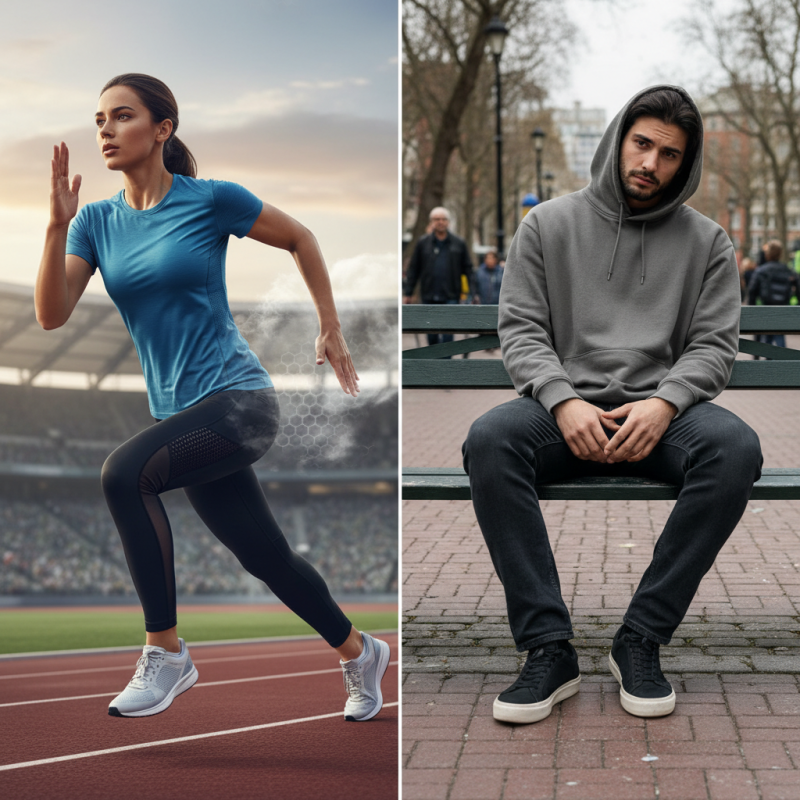
Sportswear stands apart due to its unique fabric technology designed to enhance performance. These fabrics often incorporate moisture-wicking properties. They draw sweat away from the skin, ensuring you remain dry during intense workouts. This is a significant upgrade from regular clothing materials, which can trap moisture and lead to discomfort.
Breathability is another critical feature of sportswear. Specialized fabrics allow air to flow freely, promoting ventilation. This helps regulate body temperature, keeping you cool. In contrast, standard garments often lack this essential quality, making them unsuitable for physical activities.
**Tip:** Choose clothing that fits well and moves with you. Ill-fitting gear can hinder performance.
Some may find that high-technology fabrics feel unusual at first. Transitioning can be a challenge. It’s essential to give yourself time to adapt.
**Tip:** Test various fabrics during light workouts before fully committing. This ensures you find what suits your body best.
Investing in quality sportswear enhances your performance and overall experience. However, always consider how comfortable you feel in each fabric.
: Sportswear features specialized fabrics designed to enhance performance, such as moisture-wicking and breathable properties.
Moisture-wicking fabrics draw sweat away, keeping you dry and comfortable during intense workouts, unlike regular materials.
Breathable fabrics allow air flow, helping regulate body temperature and ensuring comfort during physical activities.
Look for a good fit that allows movement. Ill-fitting gear can restrict your performance and comfort.
Yes, some may find them unusual initially. Giving time to adjust is essential for better comfort.
Try various fabrics during light workouts to see how they feel. This helps you find the best fit for your body.
Sportswear is designed for rigorous activities, using robust materials that withstand wear and tear better than regular clothing.
No, some styles may feel constricting. Individual choice matters in selecting the right athletic attire.
Often, yes. However, the durability and longevity make the investment worthwhile over time.
Not always. Some may find it less stylish, and the fit can feel restrictive if not chosen wisely.
In exploring what makes sportswear different from regular clothing, several distinctive features come into focus. Firstly, sportswear utilizes unique fabric technology that enhances athletic performance, allowing for better breathability, flexibility, and moisture management. This means that wearers stay dry and comfortable, even during rigorous activities. Additionally, the cut and fit of sportswear are specifically designed for mobility, accommodating a range of movements from running to lifting.
Moreover, the durability and longevity of sportswear set it apart, as it is crafted to withstand the rigors of physical activities, unlike traditional clothing. Finally, the evolution of sportswear has successfully merged fashion with function, leading to stylish designs that cater to both performance and aesthetics. These elements collectively illustrate how sportswear is not just about appearance but is fundamentally engineered for optimal performance and comfort.

 Wearth Apparel