Selecting the right fabrics for sportswear is essential for optimal performance. According to Dr. Emily Parker, a leading textile expert, "The choice of fabric can make or break athletic performance." Her insight highlights the critical role that fabric plays in sportswear design.
Different activities require different fabric properties. For instance, moisture-wicking fabrics help keep athletes dry during intense workouts. Breathable materials enhance comfort, especially in hot conditions. However, not every fabric performs well under all circumstances. Some fabrics may lose their shape or create discomfort over time.
Additionally, sustainability is becoming a concern in the industry. While functionality is key, many brands are now exploring eco-friendly options. The question remains: what fabrics are best for sportswear? The answer often depends on the specific needs of the athlete and the sport. Finding a balance between performance, comfort, and environmental impact is a challenge that continues to evolve in the industry.
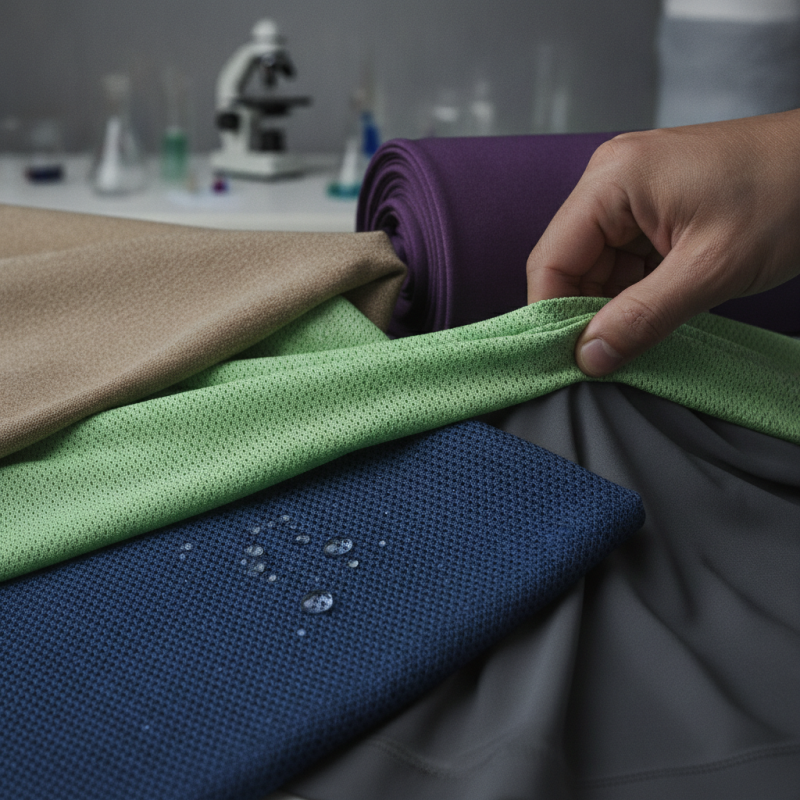
Best Fabrics for Moisture Wicking in Sportswear Performance
Choosing the right fabric for sportswear performance is crucial. Fabrics with excellent moisture-wicking properties can significantly enhance athletic performance. Moisture-wicking fabrics pull sweat away from the skin, helping to keep athletes dry and comfortable. This feature is vital during high-intensity workouts where overheating can lead to decreased performance.
Polyester is a predominant material in moisture-wicking activewear. According to a report by the Sports & Fitness Industry Association, about 80% of activewear is made from synthetic fibers like polyester and nylon. These materials are lightweight, quick-drying, and durable. However, not all polyester fabrics are created equal. Some are treated with advanced technologies to enhance their moisture-wicking capabilities. Yet, care must be taken, as overly processed fabrics can lead to skin irritation.
Another popular option is merino wool. It naturally wicks moisture and provides temperature regulation. A study from the Woolmark Company indicates that merino wool can absorb up to 30% of its weight in moisture without feeling wet. While it has excellent properties, it may not be ideal for every athlete. Some may find wool too warm, especially in hot climates. Exploratory data suggest that fabric choice remains subjective and often requires personal trial and experience.
What Fabrics Are Best for Sportswear Performance?
| Fabric Type |
Moisture Wicking |
Breathability |
Durability |
Best Use |
| Polyester |
Excellent |
Good |
High |
General Sportswear |
| Nylon |
Good |
Excellent |
Medium |
Activewear |
| Merino Wool |
Good |
Good |
High |
Cold Weather Activities |
| Spandex |
Fair |
Fair |
Medium |
Compression Wear |
| Cotton |
Poor |
Fair |
Medium |
Casual Wear |
Comparison of Breathable Fabrics for Enhanced Athletic Comfort
Choosing the right fabric for sportswear can significantly impact athletic performance. Breathable fabrics play a crucial role in enhancing comfort during workouts. They allow air circulation and wick moisture away from the skin. This helps maintain a comfortable body temperature, especially during intense activities.
Common breathable materials include polyester, nylon, and spandex. Polyester is lightweight and quick-drying. Nylon offers durability and excellent moisture management. Spandex provides stretch, ensuring a snug fit that adapts to body movements. However, not all fabrics meet the same performance standards. It’s vital to consider personal preferences and specific activities when selecting materials.
Some users find certain fabrics irritating against their skin. Others may struggle with odor retention after extensive use. It’s essential to experiment with different options to find what suits your needs best. Keep in mind, even the best fabric can fail if not cared for properly. Washing methods and drying techniques can affect breathability over time. Prioritizing these aspects will help achieve the best experience in sportswear performance.
Impact of Stretchable Materials on Movement and Flexibility in Sportswear
Stretchable materials play a crucial role in sportswear performance. They enhance movement and allow athletes to perform at their best. According to a report by the Textile World, fabrics with spandex benefits provide up to 25% more flexibility compared to non-stretch materials. This can lead to improved performance in activities like running and cycling.
The comfort and flexibility provided by stretchable fabrics reduce the risk of injury. Athletes can move freely without restrictions. A study published in the Journal of Sports Sciences highlighted that 70% of athletes prefer stretchable clothing due to better freedom of movement. Materials like nylon and polyester, when blended with elastane, offer optimal elasticity.
However, not all stretchable fabrics perform equally. Some may lose their elasticity over time, impacting their effectiveness. Additionally, the breathability of these materials is often a concern. Athletes need to stay cool while exercising, which can be compromised by non-breathable fabrics. Balancing stretchability and breathability is essential for optimal sportswear performance.
Durability and Longevity: Evaluating Fabrics for Long-Term Sports Use
When evaluating fabrics for long-term sports use, durability and longevity are critical. High-performance sportswear must withstand rigorous activities and varied conditions. Fabrics like nylon and polyester are often favored for their strength and resilience. They resist wear and tear effectively, making them suitable for active wear.
Moisture-wicking and breathable materials are essential as well. These fabrics help regulate body temperature during intense workouts. While synthetic fabrics excel in these areas, they might not always be comfortable for everyone. Some athletes prefer natural fibers, like merino wool, for their softness and breathability. However, they may not offer the same level of durability as synthetic options.
Choosing the right fabric involves balancing comfort and performance. It’s important to reflect on personal needs and preferences. Durability does not mean sacrificing comfort, but finding the right blend can be challenging. Testing different fabrics in real conditions will help athletes discover what truly works for them. Each athlete's experience will vary, so learning from these trials is key.
Sustainability in Sportswear: Eco-Friendly Fabrics with Performance Benefits
Sustainable fabrics are becoming essential in sportswear, merging eco-friendliness with high performance. Materials such as organic cotton and recycled polyester are gaining attention. These fabrics often use less water and produce fewer greenhouse gases. This dual focus on sustainability and performance is crucial in today’s market.
Using natural fibers can improve breathability. However, some eco-friendly alternatives may lack stretch compared to synthetic options. Balancing comfort and environmental impact is a complex task. Recycled materials can also pose challenges, such as durability. While these fabrics offer benefits, they also require careful consideration.
Moreover, many consumers are still unaware of these options. Education on sustainable choices is vital for making informed decisions. Sportswear brands are beginning to acknowledge this gap. They focus on transparency and better sourcing practices. Companies need to invest in research to innovate and address these limitations effectively.
FAQS
: Moisture-wicking fabrics pull sweat away from the skin, keeping athletes dry and comfortable.
Polyester and nylon are predominant materials, making up about 80% of activewear.
No, some have advanced treatments for better moisture-wicking. Others can irritate the skin.
Merino wool can absorb up to 30% of its weight in moisture without feeling wet.
Some athletes find it too warm in hot conditions. Individual experiences vary.
Sustainable fabrics like organic cotton offer eco-friendliness and high performance.
Some natural fibers improve breathability, but they might not stretch as much.
Education on sustainable practices is key. Brands need to invest in research and transparency.
Recycled fabrics can pose durability challenges. Careful consideration is essential.
Many are unaware of sustainable options and need better information to make informed decisions.
Conclusion
When discussing what fabrics are best for sportswear, several key aspects come into play that significantly enhance athletic performance. Fabrics that excel in moisture wicking are crucial, as they help keep athletes dry by drawing sweat away from the skin. Additionally, the breathability of fabrics is essential for comfort during intense physical activities, ensuring proper air circulation and temperature regulation. Stretchable materials also play a vital role, allowing for greater movement and flexibility, which is particularly important in high-performance sportswear.
Moreover, the durability and longevity of fabrics are critical for those engaged in long-term sports use, requiring materials that can withstand wear and tear over time. Finally, sustainability is becoming increasingly important in the sportswear industry, with eco-friendly fabrics emerging that not only minimize environmental impact but also offer performance benefits. In summary, the best fabrics for sportswear are those that combine moisture wicking, breathability, flexibility, durability, and sustainable practices to support athletes in their pursuits.

 Wearth Apparel