7 Tips for Identifying High Performance Sportswear Materials

Time:2026-09-21 Author:Madeline
0%

Choosing sportswear by appearance alone can be misleading. A smooth surface may feel premium, yet trap heat during a hard training session. A bright label may promise quick drying, but the fabric can still cling after repeated washing. Learning how to identify high performance sportswear materials requires practical observation, technical knowledge, and careful comparison.

This guide introduces seven useful tips for evaluating fabric quality before buying or manufacturing sportswear. You will examine fiber content, stretch recovery, moisture management, breathability, abrasion resistance, seam construction, and care performance. Hold the material near a light source. Pull it gently. Rub it against a rough surface. Notice whether it feels cool, dense, flexible, or surprisingly weak. Small details matter. In professional testing, laboratories may measure air permeability, tensile strength, colorfastness, and drying time under controlled conditions. These results are valuable, but they do not replace real movement. A fabric that performs well on paper may feel uncomfortable during a long run.

My own evaluations have shown that blended fabrics often balance comfort and durability better than single fibers, though exceptions exist. There is no perfect material. Cost, climate, activity level, and washing habits can change the best choice. Product descriptions also deserve scrutiny. Some claims sound technical without offering measurable evidence. Look for clear fiber percentages, test information, and dependable care instructions. These tips will not remove every uncertainty, but they can help you make more informed, defensible decisions.
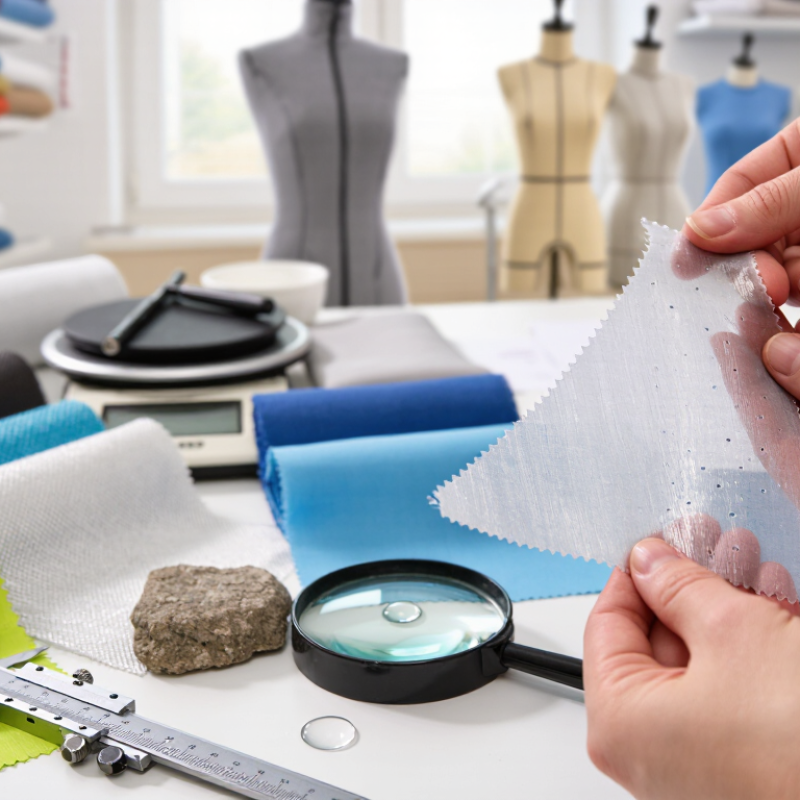
7 Tips for Identifying High Performance Sportswear Materials

Define the Performance Needs of the Sportswear Material

High-performance sportswear starts with a clear definition of performance needs. A fabric for trail running must manage sweat, abrasion, wind, and repeated movement. A studio training shirt may need softness, stretch, and quick drying instead. The activity decides the material priorities.

Tip 1: Describe the wearer’s environment.

Record temperature, humidity, rain exposure, and expected exercise duration. A lightweight fabric can feel excellent indoors but fail during cold, wet training. I once judged a material only by its dry hand feel. That was a mistake.

Tip 2: Convert comfort into measurable requirements.

Specify moisture-wicking speed, drying time, stretch recovery, air permeability, and resistance to pilling. Test samples after washing, not only when new. Check seams and fabric under realistic movement. A runner’s elbow and waistband often reveal weaknesses quickly.

Tip 3: Balance performance with practical use.

High compression may support movement, but it can restrict comfort during long sessions. Dense fabrics may protect against abrasion, yet they can trap heat. Define acceptable trade-offs before selecting fibers or fabric structures. Laboratory data helps, but field trials add necessary evidence. Ask testers what felt distracting, not only what they liked. Human feedback can expose details that instruments miss.

Check Fiber Composition and Fabric Construction

Check Fiber Composition and Fabric Construction

A performance garment begins with its fiber label, not its marketing language. Textile Exchange’s 2024 Materials Market Report recorded global fiber production at 124 million tonnes in 2023. Polyester represented about 57% of that volume, showing its dominant role in sportswear.

However, a polyester label proves very little alone. Check the blend percentage, filament type, and elastane content. Polyester can dry quickly, while nylon often offers a smoother hand feel and stronger abrasion resistance. Elastane improves stretch, but excessive content may reduce long-term recovery.

Look closely at the fabric construction. A lightweight mesh can improve airflow during a hot run. A dense interlock knit may provide better coverage and shape stability. Compare the inside and outside surfaces with your fingers. Tiny channels, brushed loops, or raised grids can influence sweat movement and warmth.

Fabric weight matters too, but it can mislead. A heavier material is not automatically more durable or comfortable. Seam placement, stitch density, and panel direction deserve attention.

Try stretching the fabric repeatedly, then watch how quickly it returns. Wash a sample if possible. I still find labels incomplete. Two garments with identical fiber percentages can perform differently because of yarn quality and finishing treatments.

Independent testing, such as moisture management or abrasion testing under recognized AATCC and ASTM methods, offers stronger evidence than vague claims. Check the test conditions before trusting the number.

Assess Moisture Management and Breathability

When assessing sportswear, start with moisture management, not a glossy fabric description. A capable material moves sweat away from the skin and spreads it across the outer surface. This wider area supports faster evaporation during training. Look for test results that measure absorbency, drying time, and wicking speed. Claims without numbers deserve caution.

Breathability is equally important. It allows heat and humid air to escape through the fabric. Hold the material near your mouth and gently breathe through it. This is only a rough check. A laboratory test is more reliable, especially one measuring air permeability or moisture vapor transmission. Mesh zones near the back, underarms, and sides can improve airflow, but they may reduce wind protection.

Test the garment while moving. Wear it during a short run, then notice damp patches around the chest, waistband, and elbows. A fabric can dry quickly yet feel clammy when tightly fitted. Seams and printed areas may also trap heat. I once judged softness as proof of comfort, which was a poor assumption. Soft fibers do not always manage sweat well. Washing can change performance, too, so check the fabric after several cycles. One test is not enough.

Test Stretch, Recovery, Strength, and Comfort

7 Tips for Identifying High Performance Sportswear Materials

Test stretch by measuring extension under a fixed load, not by pulling randomly. ASTM D2594 helps assess stretch and growth in elastic fabrics. Record the fabric’s length before and after testing. Recovery matters during repeated squats. After 30 cycles, measure any permanent elongation. Recovery can decline after washing, heat, and sweat exposure. Strength needs more than a strong first impression. Use ASTM D5034 grab testing for breaking strength, then inspect seams and abrasion zones. The 2024 Textile Exchange Materials Market Report estimates global fiber production reached 124 million tonnes in 2023, with polyester representing about 57%. High production volume does not prove high performance. A lighter knit may feel faster, yet snag sooner.

Comfort is measurable, but never perfectly. Check moisture management, air permeability, fabric weight, and skin friction. AATCC TM195 can help evaluate liquid moisture movement. A fabric may wick quickly and still feel clammy when saturated. Test a sleeve against the forearm, then repeat after laundering. Human wear trials reveal problems instruments miss. Ask runners about chafing, cling, heat, and noise. Keep questions specific. Record temperature and humidity, or comparisons become unreliable. My testing bias is real: smooth, cool fabrics often feel better to me. That preference may hide poor winter comfort. Report the test method, washing conditions, and failure point beside every result. This makes material claims easier to verify and challenge.

Compare Durability, Care Requirements, and Sustainability

High-performance sportswear should survive repeated movement, washing, and changing weather. I test fabric samples by stretching seams, checking recovery, and rubbing the surface against a rough bench. Small tests reveal weaknesses.

Tip 1 Examine dense, even knitting without loose loops.

Tip 2 Pull the fabric gently, then watch how quickly it returns. Slow recovery may signal early bagging.

Tip 3 Inspect stitching around shoulders, waistbands, and pockets. Those areas often fail first.

Care requirements can change a garment’s real durability.

Tip 4 Read the care label before comparing materials. Cold washing and air drying usually reduce fiber stress, while high heat can damage elastane.

Tip 5 Look for fabrics that resist odor without demanding aggressive washing. Less frequent laundering saves water and reduces wear.

Still, I sometimes overestimate easy-care claims. Real performance depends on sweat, detergent, and drying habits.

Sustainability needs a wider comparison than recycled content alone.

Tip 6 Check whether the material remains functional after many wears, because replacement creates more waste.

Tip 7 Prefer practical repair options, such as accessible seams and replaceable cords.

A recyclable fiber is helpful, but recycling systems remain limited in many regions. Consider fiber blends carefully; they may improve stretch and lifespan, yet complicate recycling. A durable garment with simple care instructions can be the more responsible choice. Evidence matters. Supplier testing, clear fiber information, and transparent care guidance make comparisons more reliable.

FAQS

How should sportswear material needs be defined?

Match fabric priorities with the activity, movement, and environment. Trail running needs sweat control, abrasion resistance, wind protection, and repeated-movement comfort. Indoor training may need softness, stretch, and fast drying. Write down acceptable trade-offs.

Which environmental details matter during material selection?

Record temperature, humidity, rain exposure, and exercise duration. A lightweight fabric may feel pleasant indoors but fail during cold, wet training. Small details matter.

How can comfort become a measurable requirement?

Set targets for wicking speed, drying time, stretch recovery, air permeability, and pilling resistance. Test seams, waistbands, and elbows during realistic movement. Comfort alone is vague.

Should fabric samples be tested after washing?

Yes. Wash samples before making a final decision. Compare shape, drying speed, surface feel, and stretch recovery. New fabric can hide problems. I once trusted dry hand feel; that judgment was wrong.

Does fiber composition determine sportswear performance?

Not alone. Check fiber percentages, filament type, and elastane content. Polyester often dries quickly, while nylon often feels smooth and resists abrasion. Too much elastane may reduce long-term recovery. Labels remain incomplete sometimes.

What fabric construction details should be inspected?

Examine mesh, interlock, channels, brushed loops, and raised grids. These features affect airflow, warmth, sweat movement, and coverage. Inspect seams, stitch density, and panel direction. Touch both sides.

Is heavier fabric automatically more durable?

Not automatically. Greater weight may improve coverage but trap heat. Yarn quality, construction, finishing, and seam design also matter. A lighter fabric may perform better in the right structure. This needs testing.

What evidence is stronger than vague performance claims?

Independent moisture, abrasion, and durability tests provide useful evidence. Check test conditions, sample preparation, and washing history. Field trials still matter. Instruments can miss distractions felt during movement. Ask testers what bothered them, not only what they liked.

Conclusion

Choosing the right sportswear material begins with understanding the activity, climate, and performance demands it must support. This guide explains how to identify high performance sportswear materials by examining fiber composition, fabric construction, moisture management, breathability, stretch, recovery, strength, and next-to-skin comfort. These factors help determine whether a fabric can keep the wearer dry, support unrestricted movement, maintain its shape, and withstand repeated use.

The article also highlights the importance of comparing durability, care requirements, and sustainability before making a final decision. A high-quality material should perform reliably while remaining practical to wash and maintain over time. By evaluating these characteristics together rather than focusing on a single feature, designers, manufacturers, and consumers can select sportswear fabrics that offer a balanced combination of comfort, functionality, longevity, and responsible resource use.

Madeline

Madeline

Madeline is a dedicated marketing professional with a wealth of expertise in our company's core offerings. With a keen understanding of the industry, she brings a unique perspective to her role, consistently delivering high-quality content that highlights the superior aspects of our products. As......