During long training sessions, sweat can turn a comfortable shirt into a heavy, clingy layer. Moisture wicking fabric helps move perspiration away from the skin, allowing it to spread across the surface and evaporate more efficiently. That small difference matters. It can reduce dampness, limit friction, and help clothing feel fresher during movement.
So, why is moisture wicking fabric important? The answer involves comfort, temperature management, fabric performance, and everyday hygiene. A well-designed textile can help runners stay more comfortable, hikers manage changing conditions, and workers remain focused in warm environments. However, no fabric works perfectly in every situation. Humidity, garment fit, fabric thickness, and activity level can change the result.
Real-world testing often reveals details that product labels overlook. A shirt may feel dry during a short walk but remain damp after an hour of cycling. Synthetic fibers often dry quickly, while some natural blends provide a softer hand feel but need more time to release moisture. Neither option is automatically best.
The following seven tips examine how wicking fabrics function and where they perform well. They also consider breathability, odor control, durability, care instructions, and skin comfort. Reliable choices depend on evidence and personal use, not attractive claims alone. Small design details matter. A close-fitting neckline, breathable side panel, or poorly chosen seam can affect the entire wearing experience.
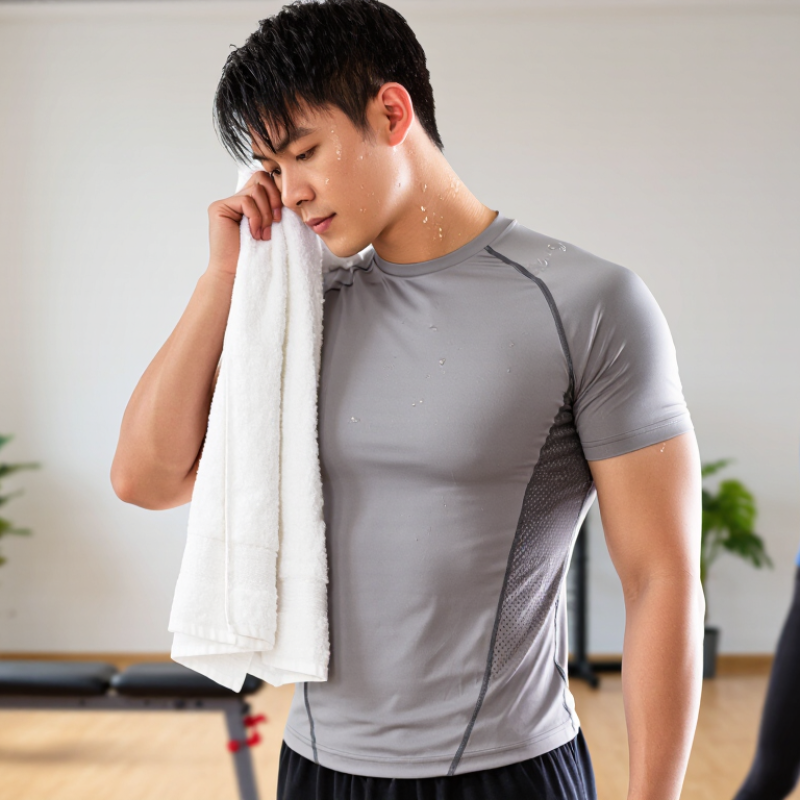
Moisture-wicking fabric moves sweat away from your skin. It uses tiny fibers and spaces to spread moisture across a wider surface. The moisture then evaporates faster. Your skin feels drier, especially during running, cycling, or long work shifts. In practical clothing tests, a shirt that dries quickly often feels lighter after exercise.
Tip 1: Check how quickly the fabric dries.
Tip 2: Choose a close, comfortable fit.
Tip 3: Look for breathable sections near the back and underarms.
Tip 4: Avoid overly loose layers during intense activity. They may trap warm air instead of improving comfort.
Unlike absorbent cotton, wicking material does not simply hold sweat in one place. Its fibers guide liquid outward through capillary action. Air can then reach more of the damp surface. Some fabrics also include mesh panels for better airflow.
Performance depends on more than the fabric name. Knitting, fiber shape, fabric weight, and finishing treatments all matter. Tip 5: Test the garment during real movement, not only in a store. Tip 6: Wash it as directed, because residue can reduce wicking performance.
I have found that “quick-drying” does not always mean “comfortable.” A thin fabric may dry fast but feel rough against sensitive skin. Tip 7: Check softness, stretch, and odor control together. Moisture management is useful, but it is not magic.
7 Tips Why Moisture Wicking Fabric Is Important?
How Moisture-Wicking Fabric Supports Comfort and Skin Health
Moisture-wicking fabric pulls sweat away from the skin and spreads it across the surface. This helps moisture evaporate faster during exercise, work, or warm weather. Tip 1: Choose breathable fabric for better airflow. Tip 2: Check the fit carefully. Tight clothing can trap heat, while loose fabric may rub against moving skin. In my experience, comfort depends on both the material and the garment’s construction.
Tip 3: Wear moisture-wicking layers during prolonged activity. Damp clothing can increase friction around the waist, underarms, and thighs. Tip 4: Change out of wet clothes soon after exercise. Skin does not always feel irritated immediately. Tip 5: Wash activewear according to its care instructions, and avoid heavy product buildup that may reduce fabric performance. Small details matter. I sometimes underestimate them.
Tip 6: Look for smooth seams and soft waistbands, especially if your skin is sensitive. Reduced rubbing may help limit redness and discomfort. Tip 7: Test new fabric during a short activity before wearing it all day. Even effective materials may feel warm, rough, or restrictive for some people. Moisture-wicking fabric can support skin comfort, but it cannot treat infections, rashes, or other medical conditions. Persistent irritation deserves advice from a qualified healthcare professional.
Moisture-wicking fabric helps manage the thin layer of sweat against your skin during activity. It moves moisture outward, where air can help it evaporate. This process supports body-temperature control, especially during running, hiking, cycling, or indoor training.
Choose a fabric that feels comfortable before judging its performance. A close, flexible fit usually moves sweat better than loose, heavy clothing. Look for breathable construction around the back, chest, and underarms. Check the fabric after washing, because softness and wicking ability may change. Avoid wearing too many layers at the start. Your body will produce more heat within minutes. During outdoor exercise, add a removable layer when wind or rain increases. In cold conditions, moisture trapped near the skin can make you feel chilled quickly.
I have noticed that a shirt can feel dry while my skin still feels warm and sticky. That difference matters. Wicking does not cool the body by itself; evaporation does most of the work. Humid air can slow evaporation, even when the fabric performs well. Dark clothing may also feel hotter in strong sunlight, although fabric color is only one factor. I once chose a very thin shirt for a long walk and regretted it when wind arrived. Personal comfort, activity intensity, and weather must guide the choice. Test clothing during shorter sessions before relying on it for demanding activity.
| No. | Practical Tip | What the Fabric Does | Temperature-Regulation Benefit | Best Use During Activity | Useful Selection Check |
|---|---|---|---|---|---|
| 1 | Move sweat away from the skin | Hydrophilic finishes and capillary spaces spread liquid sweat across a larger fabric area. | A larger exposed area allows sweat to evaporate more efficiently, supporting the body’s natural cooling process. | Running, cycling, hiking, team sports, and high-intensity workouts. | Look for descriptions such as “moisture management,” “quick-drying,” or “wicking.” |
| 2 | Choose quick-drying construction | Lightweight synthetic fibers, open structures, and lower fabric mass generally allow water to leave the garment faster than dense materials. | Faster drying helps reduce the cooling effect of wet clothing after intense exercise or during rest periods. | Interval training, outdoor events, travel, and activities with repeated effort and recovery. | Prefer lightweight fabric with breathable panels rather than thick, tightly packed fabric. |
| 3 | Balance breathability with coverage | Breathable knits allow air and water vapor to pass through while still providing fabric coverage. | Air exchange helps release heat and water vapor, reducing the chance of overheating in warm conditions. | Warm-weather exercise, fitness classes, walking, and court sports. | Check for mesh zones or ventilation areas at the back, underarms, or sides. |
| 4 | Reduce wet-cling and friction | Wicking fabric limits the amount of liquid remaining next to the skin and can maintain a smoother feel during movement. | Less saturated fabric can feel less heavy and less clammy, helping the wearer remain comfortable as body temperature changes. | Long-distance running, rowing, hiking, and repetitive-motion activities. | Select a close but non-restrictive fit and avoid seams located directly on high-friction areas. |
| 5 | Layer according to activity intensity | A wicking base layer transports sweat, while outer layers can provide wind or rain protection. | Layering helps manage both heat production during exertion and heat loss during pauses or changing weather. | Hiking, skiing, climbing, commuting, and variable-weather training. | Keep the base layer next to the skin and avoid non-breathable layers directly over heavy sweat. |
| 6 | Use fiber content appropriately | Polyester and nylon are commonly engineered for rapid moisture transport; merino wool can absorb vapor and help manage odor, while cotton holds more liquid when wet. | The right fiber choice can improve comfort by controlling how quickly moisture spreads, evaporates, or remains in the garment. | Synthetic options suit high-sweat activity; wool blends can suit moderate activity and changing temperatures. | Consider activity intensity, climate, odor sensitivity, drying access, and personal comfort. |
| 7 | Maintain the fabric’s performance | Oil, dirt, fabric softener, and product buildup can reduce wetting and transport performance over time. | Clean, residue-free fibers maintain more consistent moisture movement and drying behavior during use. | All activities, especially frequent training and hot-weather use. | Follow the care label, avoid routine fabric softener, and wash promptly after heavy sweating. |
Moisture-wicking fabric helps move sweat away from the skin, where it can evaporate more easily. This matters during workouts, humid commutes, and long outdoor activities. A damp shirt can trap heat and create a sticky, uncomfortable layer. Dry fabric feels lighter against the body. Small detail. Big difference.
Odor often becomes stronger when sweat remains trapped for hours. Moisture-wicking material does not remove bacteria or guarantee odor-free wear. However, it can reduce the damp environment that encourages unpleasant smells. Washing habits still matter. Rinse sweaty clothing soon after use, and follow the care label carefully. Some fabrics lose performance when coated with heavy softeners.
Chafing is another concern, especially around the thighs, underarms, waistband, and shoulder straps. Less surface moisture can reduce rubbing, but fabric design also matters. Flat seams, a flexible fit, and smooth textures can make movement easier. A tight shirt may still irritate skin, even when it wicks well. Not always. Test the garment during a short walk before wearing it for a full-day hike. If redness or burning appears, the problem may be the fit, seam placement, or a personal fabric sensitivity. That part is easy to overlook.
Effective moisture-wicking clothing begins with the fabric, not the advertising claim. Polyester and nylon usually move sweat toward the outer surface, where it can evaporate. Merino wool can also manage moisture and odor while feeling warm. Cotton feels soft, but it holds sweat and may become cold during long activity. Check the fiber label carefully. “Quick-dry” alone proves little.
Choose a close, comfortable fit. Fabric needs contact with your skin, but tight clothing can trap heat and restrict movement. Look for mesh panels under the arms, flat seams, and lightweight areas around the back. Consider your activity, too. A runner may need rapid drying, while a hiker may value warmth and odor control. Test the garment with simple movement before buying. Bend, stretch, and raise your arms. Small discomfort often becomes a large problem later.
Care affects performance. Wash moisture-wicking clothing soon after heavy sweating, using cool or warm water according to the care label. Avoid fabric softener because it can coat fibers and reduce moisture transfer. Use a gentle detergent, skip excessive heat, and air-dry when practical. Do not assume every garment needs frequent harsh washing. I once washed a technical shirt too aggressively, and its shape changed sooner than expected. Check the fabric after drying. If it feels greasy, smells trapped, or dries slowly, the clothing may need better care—or replacement. No fabric performs perfectly in every climate.
Moisture regain is the percentage of water absorbed by a dry fiber under standard atmospheric conditions. Polyester and polypropylene generally retain less moisture than cotton, nylon, and wool, which can help moisture-wicking garments feel lighter and dry faster. Actual performance also depends on yarn structure, fabric construction, fit, and finishing. To maintain wicking effectiveness, follow the care label, avoid fabric softener, wash after heavy use, and dry the garment thoroughly.
Reference range: commonly reported fiber moisture-regain values at standard textile-testing conditions; values may vary by source and processing.
It moves sweat away from your skin and spreads it across the outer surface. Air helps the moisture evaporate faster. Your skin feels drier.
Tiny fibers and spaces guide liquid outward through capillary action. A wider damp area dries more quickly than one soaked patch. Small detail. Big difference.
No. Quick-drying fabric may feel rough, stiff, or too warm. Check softness, stretch, seams, and fit before wearing it all day.
It may reduce dampness that supports strong smells, but it does not remove bacteria or guarantee freshness. Wash sweaty clothing soon after use.
Less surface moisture can reduce rubbing around the thighs, underarms, waist, and shoulder straps. Flat seams and smooth textures matter too. Fit still matters most.
Choose a close, comfortable fit that touches your skin without restricting movement. Overly loose layers may trap warm air. Too tight is uncomfortable.
Check breathable mesh near the back and underarms. Look for lightweight sections, flat seams, flexible fabric, and clear fiber information. “Quick-dry” alone proves little.
Follow the care label, use gentle detergent, and avoid fabric softener. Excessive heat can damage shape or performance. Air-dry when practical.
Yes. Bend, stretch, raise your arms, and walk briefly. A small irritation may become a large problem later. I once underestimated this.
No fabric performs perfectly everywhere. Drying speed, warmth, airflow, and odor control may matter differently. Choose for your activity and weather, not advertising alone.
Moisture-wicking fabric is designed to draw sweat away from the skin and move it toward the outer surface, where it can evaporate more easily. Understanding why is moisture wicking fabric important helps explain its value during exercise, work, travel, and everyday wear. By keeping the skin drier, this fabric can improve comfort, support healthier skin, and reduce the sticky feeling caused by trapped moisture. It also helps regulate body temperature by assisting cooling during activity and providing a more comfortable feel when conditions change.
Effective moisture-wicking clothing may reduce odor, chafing, and irritation by limiting the buildup of sweat and friction. When choosing these garments, consider breathability, fit, fabric softness, and the level of activity involved. Proper care is equally important: follow washing instructions, avoid products that leave heavy residue, and dry the clothing thoroughly. With the right material and maintenance, moisture-wicking apparel can remain comfortable, functional, and durable over time.

Wearth Apparel